
Greenland Travel Costs in 2026
North America13 destinations to explore. Daily costs average $94 with internet speeds around 24 Mbps and a safety rating of 8.1/10.
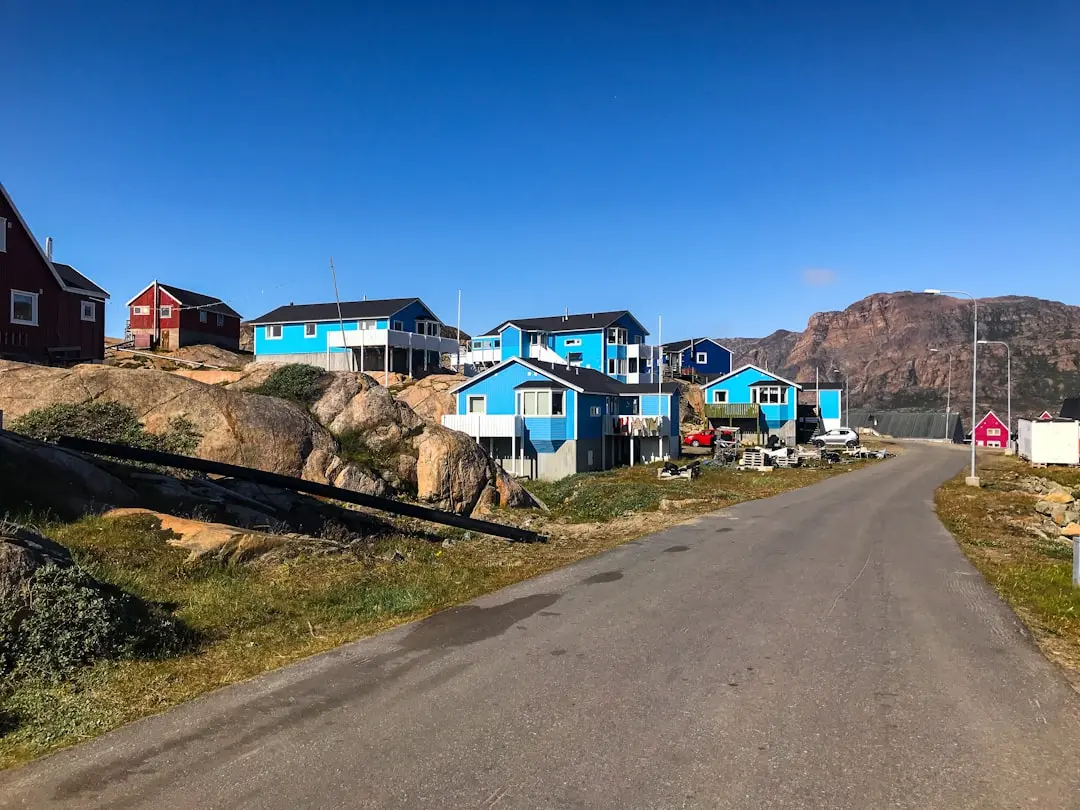
Sisimiut, Greenland's second-largest town, offers raw Arctic beauty and the iconic Arctic Circle Trail. August brings the midnight sun and a unique chance to experience Inuit culture. Backpackers will find the isolation and prices challenging, while remote workers and luxury travelers can enjoy exclusive adventures in an untouched landscape.
East Greenland offers raw Arctic wilderness, tiny settlements, and colossal icebergs, but expect high costs, minimal infrastructure, and limited connectivity. August brings midnight sun and peak adventure season.
Greenland Travel Costs at a Glance
- Greenland currently has 13 indexed destination pages on this site.
- Average daily cost for backpacker travel is about $94, with an average score of 2.4/10.
- Top-rated city is Sisimiut and the most affordable option is East Greenland.
- Average fixed internet speed is 24 Mbps and safety is 8.1/10 based on current dataset values.
Is Greenland Expensive?
Greenland is expensive. The average backpacker spends $94 per day, and a month of budget travel runs about $2,820. Digital nomads, who need reliable Wi-Fi and a bit more comfort, budget $158 per day or $4,740 per month, while luxury travelers can easily reach $395 per day, which adds up to $11,850 over a month. These numbers are among the highest on this site, and they are not an accident: nearly everything you consume on the island is imported.
Greenland has no road network to speak of, and its towns are separated by fjords and ice. Food, fuel, construction materials, and even some water are flown or shipped in from Denmark, which adds a hefty transport surcharge to every purchase. The Danish krone (DKK) is the currency, wages are high, and the tourism sector is small, so hotels and tour operators can charge premium rates without much competition. A simple hostel bed often costs $45–60, a domestic flight between Nuuk and Ilulissat can run $300–400, and a supermarket meal rarely comes in under $15. You are paying for geology: the price of being in one of the most remote inhabited places on Earth.
How Much Does It Cost to Travel in Greenland?
Prices vary enormously within Greenland. The cheapest destination on this site is East Greenland, where backpackers can survive on $60 per day. This is possible because the settlements are small, guesthouses are basic, and you can cook your own meals; organized excursions are scarce, so you are more likely to hike or kayak on your own. At the other extreme, the Greenland Ice Sheet requires $180 per day even for backpackers, because reaching it demands chartered fixed-wing flights or helicopters, specialized guides, and mandatory safety gear. That is three times the East Greenland figure.
Between those poles, most travelers will fall into a predictable range. A budget traveler heading to Nuuk or Ilulissat should plan on $80–100 per day, staying in hostels or camping and eating a mix of street food and grocery-store provisions. Mid-range travelers can expect $120–180 per day for a private room, restaurant meals, and a few paid activities like a boat tour or a museum. If you want comfort – a hotel with a view, dinner out, and seamless booked excursions – $200–300 per day is realistic, and the luxury average of $395 per day is plausible for anyone who wants the full package without compromise.
Best Time to Visit Greenland
Greenland's travel season is short and concentrated in the summer. From June to August, daytime temperatures in Nuuk and Ilulissat hover around 5–10°C (41–50°F), and the sun barely sets, which makes for long touring days. This is also the most expensive time: hotels in Ilulissat can charge $200+ per night, and flights fill up weeks in advance. July is the peak, and the Midnight Sun festival in Nuuk in June attracts extra visitors. If your only goal is to see icebergs, take a boat tour, or hike, this is the window.
The value months are September and late May. In September, the summer crowds have gone, daylight still stretches to 12–14 hours, and accommodation prices drop by 20–30%. The northern lights begin to appear in late August, so September offers both mild weather and aurora potential. In May, you get shorter days than June but still reasonable temperatures, and you avoid the July price spike. Winter (November to March) is for the deeply adventurous: temperatures can fall to -20°C (-4°F) or lower, and many boat services shut down, but you will find the lowest flights and hotel rates of the year, and the skies are dark enough for aurora viewing almost every night.
Getting Around Greenland
Getting around Greenland is mostly a matter of flying. There are no roads connecting towns – the only continuous road network is within Nuuk itself – so the 13 destinations on this site are linked by air or, along the west coast, by sea. Air Greenland is the main carrier; a one-way flight between Nuuk and Ilulissat typically costs $300–400 if booked well in advance, rising to $500 or more closer to departure. The journey takes about 50 minutes, but weather delays are common. Kangerlussuaq is the primary hub, with the longest runway and connections to Copenhagen and Reykjavík, making it a frequent entry point for international visitors.
Ferries are a cheaper, albeit slower, alternative. The Arctic Umiaq Line runs a coastal service that connects settlements along the west coast, but sailings are infrequent – a Nuuk to Sisimiut trip takes about 8–10 hours and costs around $100–150 for a cabin. In the east and far north, including Qaanaaq and Scoresby Sund, travel is almost exclusively by small aircraft landing on gravel strips. Renting a car is only practical in Nuuk and a few larger towns; there are no highways to drive between destinations. For the Greenland Ice Sheet, you must join an organized tour from Kangerlussuaq or Ilulissat, as there is no public transport to the ice.
Visas, Money and Entry Rules for Greenland
Entry to Greenland follows Denmark's visa rules, since Greenland is a self-governing territory within the Kingdom of Denmark. Citizens of the US, Canada, the UK, and most EU countries do not need a visa for tourist stays up to 90 days, but you must have a passport valid for at least three months beyond your planned departure. Greenland is not in the Schengen area, so even if you fly through Copenhagen, you will clear passport control in Kangerlussuaq or Nuuk. If you require a visa for Denmark, be aware that Greenland has its own entry requirements – you need a valid Schengen visa or a Danish residence permit, and you should check with the Danish embassy well in advance.
The currency is the Danish krone (DKK), and Greenland is almost entirely cashless – cards are accepted in hotels, restaurants, taxis, and even small kiosks. ATMs are scarce outside the biggest towns, and they often charge high fees, so it is smart to withdraw a few thousand kroner in Nuuk or Kangerlussuaq before heading to smaller settlements. Tipping is not expected; service charges are built into prices. Watch out for foreign-transaction fees on your credit card, and make sure your card has no international withdrawal fees, as you may need to use it frequently. Also, note that many tour operators quote prices in DKK, so a small currency conversion mistake can add up quickly.
All Destinations in Greenland
 🇬🇱
🇬🇱Sisimiut
3.5 · Below AverageSisimiut, Greenland's second-largest town, offers raw Arctic beauty and the iconic Arctic Circle Trail. August brings the midnight sun and a unique chance to experience Inuit culture. Backpackers will find the isolation and prices challenging, while remote workers and luxury travelers can enjoy exclusive adventures in an untouched landscape.
 🇬🇱
🇬🇱Narsarsuaq
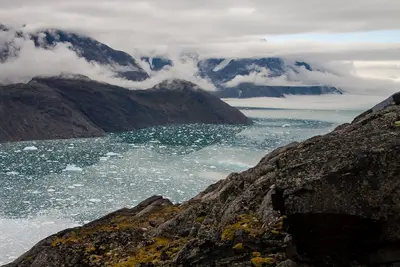
3.5 · Below AverageA remote former US airbase on a South Greenland fjord, Narsarsuaq is for true adventurers. August offers endless daylight, hikes onto blue ice, and iceberg cruises. Next month the Blue Ice Half Marathon on 5 September adds a sporty community buzz to this tiny frontier outpost.
 🇬🇱
🇬🇱Kangerlussuaq
3.0 · Below AverageKangerlussuaq offers raw Arctic adventure: vast tundra, musk oxen, and the Greenland ice sheet just a short drive away. August means 24-hour daylight—perfect for midnight hikes—but be ready for extreme isolation and high prices. It's a frontier outpost, not a standard tourist town.
 🇬🇱
🇬🇱East Greenland
3.0 · Below AverageEast Greenland offers raw Arctic wilderness, tiny settlements, and colossal icebergs, but expect high costs, minimal infrastructure, and limited connectivity. August brings midnight sun and peak adventure season.
 🇬🇱
🇬🇱Narsaq
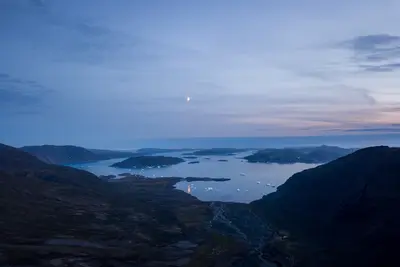
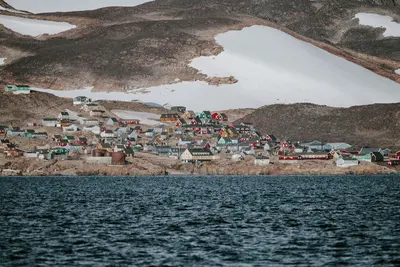
2.9 · Below AverageNarsaq is a tiny, remote village in southern Greenland nestled amid towering peaks and iceberg-filled fjords. In August 2026, summer light is still long, and the Sheep Festival is just weeks away. Expect staggeringly high costs, no hostels, and very few travelers – but also unmatched Arctic wilderness and a profoundly welcoming community.
 🇬🇱
🇬🇱Qaanaaq
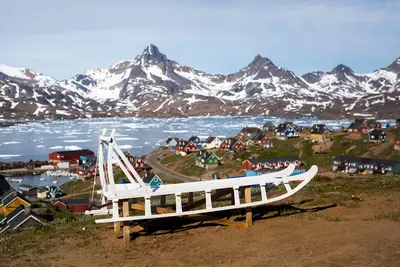
2.5 · Below AverageExperience the raw Arctic frontier in Qaanaaq, one of the world's northernmost towns. This August, the Midnight Sun still illuminates the ice-strewn fjords, and the annual Qaanaaq Summer Festival brings the community together with kayak races and traditional drum dancing. Expect extreme remoteness, hefty prices, and unforgettable landscapes—this is not a typical getaway.
 🇬🇱
🇬🇱Tasiilaq
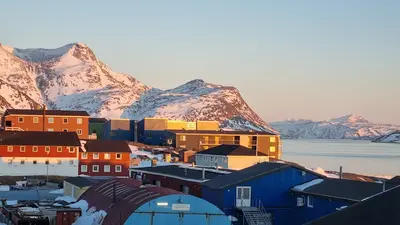
2.5 · Below AverageTasiilaq is Greenland's dramatic east coast gateway, with towering fjords and iceberg-dotted waters. August brings the annual Ammassalik Summer Festival — a local celebration of kayaking, folk music and Greenlandic art. Very remote and pricey, but utterly unforgettable for those seeking wild Arctic beauty.
 🇬🇱
🇬🇱Nuuk
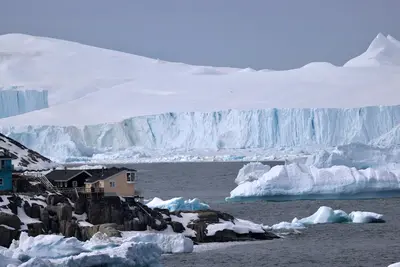
2.0 · Below AverageIn mid-August, Nuuk pulses with the energy of the Nuuk Marathon and the last golden weeks of Arctic summer. Expect iceberg-dotted fjords, whale sightings, and very few tourists — but pack a thick wallet, because this is one of the world's most expensive capitals.
 🇬🇱
🇬🇱Ilulissat
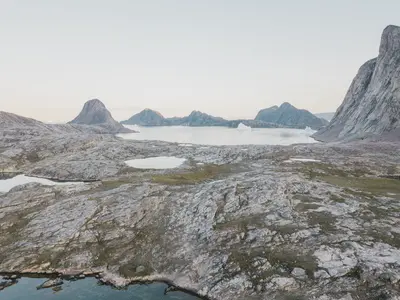
2.0 · Below AverageIlulissat dazzles with the UNESCO-listed Icefjord, where colossal icebergs drift under the midnight sun in August. This month is peak season, so prices are high, but the dramatic Arctic scenery is unmatched. While the town is exceptionally safe, it's a costly outpost — a bucket-list adventure rather than a budget destination. Summer events include local cultural gatherings and boat races.
 🇬🇱
🇬🇱Scoresby Sund
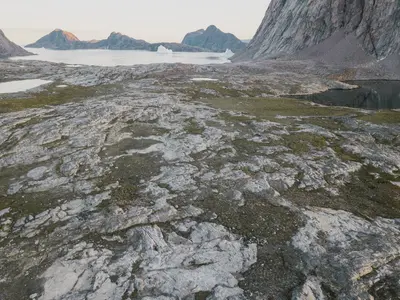
2.0 · Below AverageScoresby Sund, a colossal Arctic fjord system in East Greenland, is a remote paradise of titanic icebergs and raw wilderness. In mid-August, the summer ice recedes and expedition cruises offer glimpses of polar bears, musk oxen, and Inuit life in Ittoqqortoormiit.
 🇬🇱
🇬🇱Greenland Ice Sheet
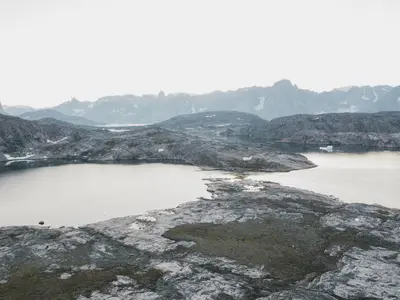
1.5 · Below AverageThe Greenland Ice Sheet offers a once-in-a-lifetime Arctic expedition with 24-hour summer daylight. No festivals — just raw, primal wilderness. Venture from Kangerlussuaq to the edge of a 1.7-million-square-kilometer ice cap, where your only 'tourist trap' is a glacial meltwater river.
 🇬🇱
🇬🇱Disko Bay
1.5 · Below AverageDisko Bay is an arctic frontier of surreal icebergs, midnight sun, and tiny settlements. It's brutally expensive and isolated, but for those who can manage the logistics, it's the adventure of a lifetime. August's Arctic Sounds festival lights up Ilulissat with music under the midnight glow.
 🇬🇱
🇬🇱Thule Air Base
0.7 · Below AverageThule Air Base (Pituffik) is one of the most remote inhabited places on Earth, a tightly controlled U.S. military base in northern Greenland. There is no tourism infrastructure, no civilian access, and no services—only Arctic wilderness, the aurora borealis, and polar nights or midnight sun. Visit only if you have official permission and a taste for the extreme.