
Finland Travel Costs in 2026
Europe10 destinations to explore. Daily costs average $57 with internet speeds around 93 Mbps and a safety rating of 9.2/10.
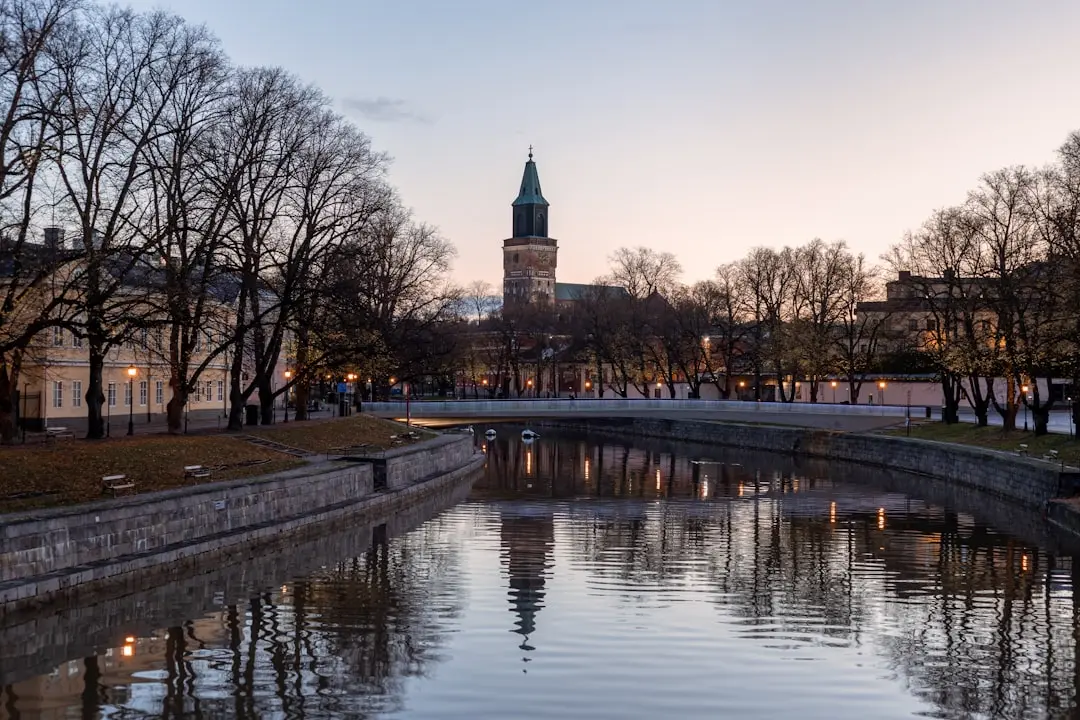
Turku is a cozy Finnish city by the Aura River, known for its medieval castle and relaxing summer vibe. This August, the city hosts the Turku Music Festival and the Night of the Arts — perfect for culture lovers. It's a safe, scenic spot, though prices are steeper than in Eastern Europe.
Turku is a cozy Finnish city by the Aura River, known for its medieval castle and relaxing summer vibe. This August, the city hosts the Turku Music Festival and the Night of the Arts — perfect for culture lovers. It's a safe, scenic spot, though prices are steeper than in Eastern Europe.
Finland Travel Costs at a Glance
- Finland currently has 10 indexed destination pages on this site.
- Average daily cost for backpacker travel is about $57, with an average score of 3.9/10.
- Top-rated city is Turku and the most affordable option is Turku.
- Average fixed internet speed is 93 Mbps and safety is 9.2/10 based on current dataset values.
Is Finland Expensive?
Yes, Finland is expensive: the site's backpacker average is $57 per day ($1710 a month), digital nomads pay about $96 per day ($2880 a month), and luxury travel runs $322 per day ($9660 a month). That is high for most travellers, but it makes sense once you understand the economics. Finland is a high-wage, high-tax country where almost everything is imported or produced with expensive labour. Tourism infrastructure is modern and well-maintained, and you are paying for that reliability.
The big costs are accommodation, food, and transport. A no-frills hostel bed in Helsinki costs $30-45, and a sit-down meal with a drink often tops $25. Alcohol is heavily taxed, so nights out add up. Domestic flights are the only realistic way to cover long distances, and they are not subsidised. You can save by staying in hostels, cooking your own meals, and travelling between cities rather than into the far north, but the overall price level is firm and does not drop much outside the big cities.
How Much Does It Cost to Travel in Finland?
How much does it cost to travel in Finland? The short answer is: it depends where you go. The site's cheapest destination, Turku, runs about $40 a day for a backpacker, while Finnish Lapland is the most expensive at $70 a day. Turku is a compact, walkable city on the southwest coast with good student infrastructure, inexpensive hostels, and cheap day trips by ferry. Lapland, by contrast, is remote: everything has to be flown or trucked in, and its winter economy is built around expensive activities like husky safaris, snowmobile trips, and resort accommodation.
A realistic daily budget for a budget traveller across Finland is $40-70, depending on how many nights you spend in the north. For a mid-range traveller who wants private rooms and proper meals, expect $90-150 a day, which matches the digital-nomad average of around $96. If you want comfort—central hotels, sit-down dinners, and organised tours—plan on $200-300 a day, well short of the $322 luxury average but still significant. The gap between Turku and Lapland is not just about remoteness; it is also about demand. Lapland's ski and aurora resorts charge premium rates from late November to early April, and that is when most visitors arrive.
Best Time to Visit Finland
Finland's prices swing sharply with the seasons. The high season for the whole country is June to August, when the midnight sun and warm lakes attract the most visitors; city hotels and Rovaniemi's summer base can run 30-50% above the annual average. Winter is the other peak, especially late November through March, when Lapland's ski resorts and aurora villages are packed and prices are at their highest—Christmas week is the worst. If you want a genuine value window, aim for late May or September. You still get mild weather, long daylight in May, and autumn colours in September, but accommodation and flights are noticeably cheaper.
In mid-winter, January and February offer the best aurora chances but also the deepest cold and short days; March is still snowy but slightly milder with more light. Easter brings another price spike, particularly in ski towns. Outside the two peaks, you can often find hotel rooms in Helsinki for under $100 a night, whereas in July the same room may cost double. If you are flexible, the shoulder months let you see Finland without the premium.
Getting Around Finland
Getting around Finland takes time, and your best choice depends on the distance. Between Helsinki, Turku, and Tampere, the train (VR) is fast and reliable; a one-way trip costs around $20-35. The long-distance bus network, including OnniBus and ExpressBus, is cheaper for short hops like Helsinki-Tampere, often under $20. For the north, you have three options: fly, take an overnight train, or drive. Flights from Helsinki to Rovaniemi or Kuusamo take about 1.5 hours and cost $80-150 one way if booked in advance; the train takes 8-12 hours and costs $30-60 for a seat, or $100-150 for a sleeper cabin. To reach Saariselka, Inari, or Levi, you usually fly to a small regional airport and then take a bus, or you drive.
A rental car opens up the countryside but is expensive: around $50-80 per day with insurance, plus high fuel prices. Overland travel to Finnish Lapland is not practical from Helsinki in winter without a very long drive (over 800 km), and night trains often sell out. Ferries are only relevant for the Baltic coast—for example, the quick crossing between Turku and Naantali or the Helsinki-Tallinn route—but they do not help you get inside Finland. For this site's ten destinations, flying to Rovaniemi and then combining buses or a rental car is the most efficient way to cover the north.
Visas, Money and Entry Rules for Finland
Finland is a Schengen country. For U.S., U.K., Canadian, Australian, and most other Western passports, you can visit visa-free for up to 90 days in any 180-day period. Your passport must be valid for at least three months after your planned departure. The currency is the euro, and cards are accepted everywhere—even the remotest Lapland gift shop takes contactless payments. Cash is rarely needed, but it is wise to carry a small amount for market stalls and rural machines.
Tipping is not expected; leaving small change or rounding up a restaurant bill is appreciated but not required. Avoid private ATMs like Euronet, which charge high fees; use bank-owned machines (Nordea, OP, Danske) and pay in euros if you are given a choice. One trap: ferry and exchange desks at ports buy currency at awful rates, so use an ATM instead. Entry is straightforward for Schengen, but note that Finnish border guards occasionally ask for proof of accommodation and return tickets. If you plan to drive, bring your national licence, and remember that winter tyres are mandatory from December to February. There are no unusual stamp requirements for Finland itself.
All Destinations in Finland
 🇫🇮
🇫🇮Turku
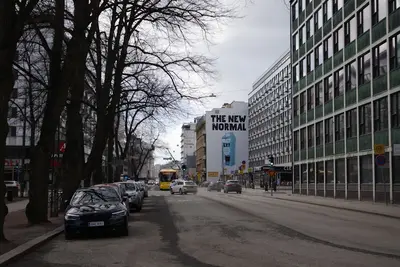
6.0 · GoodTurku is a cozy Finnish city by the Aura River, known for its medieval castle and relaxing summer vibe. This August, the city hosts the Turku Music Festival and the Night of the Arts — perfect for culture lovers. It's a safe, scenic spot, though prices are steeper than in Eastern Europe.
 🇫🇮
🇫🇮Kittila
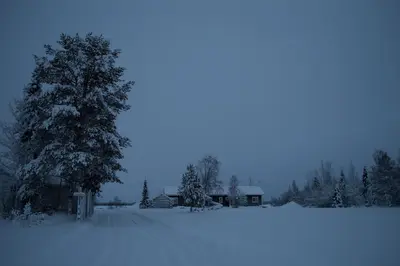
5.7 · AverageKittilä is the arctic gateway to Levi, Finland’s most famous ski and aurora resort. In August, the lakes are warm and the Kittilä Market Days add a festive buzz — and by September, the first northern lights start to paint the night sky. A small town of big experiences, from glass igloos to reindeer farms.
 🇫🇮
🇫🇮Helsinki
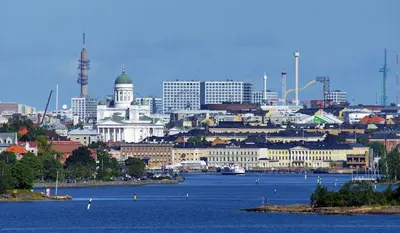
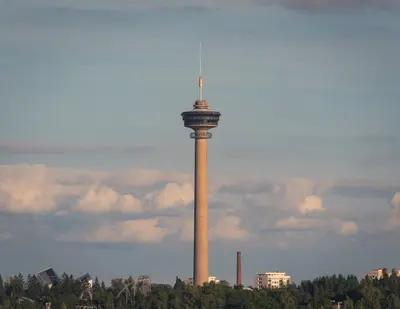
4.5 · Below AverageHelsinki in August is alive with the Helsinki Festival, Nordic design, and endless daylight. It's pricey, but the archipelago, sauna culture, and vibrant food scene can be enjoyed on any budget if you plan smart.
 🇫🇮
🇫🇮Tampere
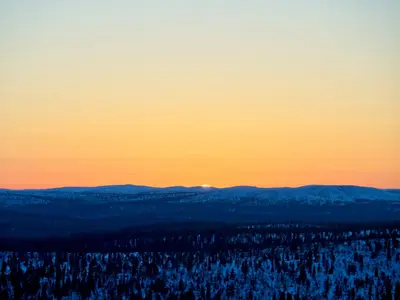
4.5 · Below AverageTampere is a lakeside Finnish city with a rich industrial history, incredible saunas, and a vibrant cultural scene. In August 2026, the Tampere Festival fills the streets with performing arts, making it a lively time to visit. While not a budget destination, it's incredibly safe and offers a true taste of Nordic life.
 🇫🇮
🇫🇮Saariselka
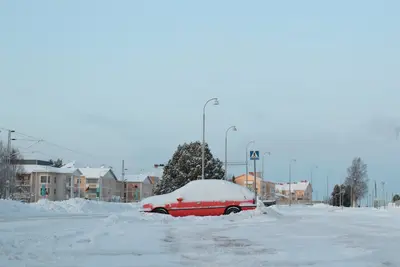
4.0 · Below AverageChase the aurora in Saariselkä, a pint-sized Arctic village where glass igloos, fell hikes, and the first Northern Lights of the season in late August make for an unforgettable escape — albeit an expensive one.
 🇫🇮
🇫🇮Rovaniemi
3.5 · Below AverageRovaniemi, the official home of Santa Claus, blends Arctic wilderness with urban comfort. In August, enjoy long summer days and the start of the aurora season next month, along with local harvest markets. Expect high prices but unforgettable experiences.
 🇫🇮
🇫🇮Inari
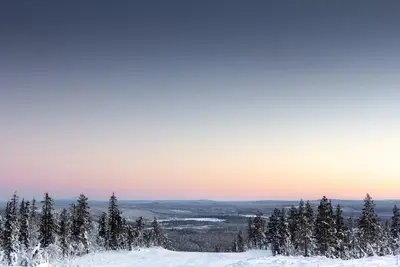
3.5 · Below AverageInari in August 2026: the Ijahis idja Sámi music festival brings culture to the Arctic, while the first auroras of the season begin to paint the skies. This remote Finnish wilderness village offers everything from simple campgrounds to glass-roofed luxury suites—choose your adventure.
 🇫🇮
🇫🇮Levi
3.0 · Below AverageIn August, Levi trades ski boots for hiking boots. Expect quieter trails, lower green-season prices, and the first hints of Northern Lights. Finland's ultra-fast internet and safe streets make it a surprisingly workable, if pricey, base for remote workers, while luxury seekers get glass igloos and arctic spas.
 🇫🇮
🇫🇮Kuusamo
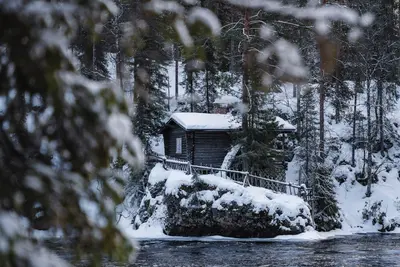
2.5 · Below AverageKuusamo is a wild Finnish paradise of lakes, forests, and the famous Ruka fell. August brings endless daylight, perfect for hiking and fishing, while September's Ruska colours are just weeks away. It's pricey, but the nature is untouched and the safety is second to none.
 🇫🇮
🇫🇮Finnish Lapland
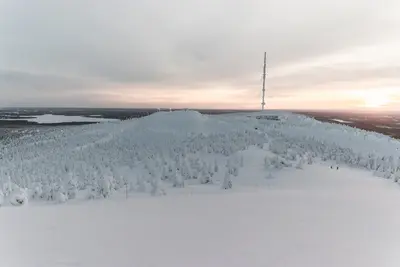
2.0 · Below AverageFinnish Lapland is a wild, once-in-a-lifetime destination where summer's midnight sun meets autumn's first colors. In the last weeks of August, the Night of the Ancient Fires (Aug 21) lights up lakeshores with bonfires. From glass igloos to tent camping, this Arctic wonderland offers something for every traveler.