
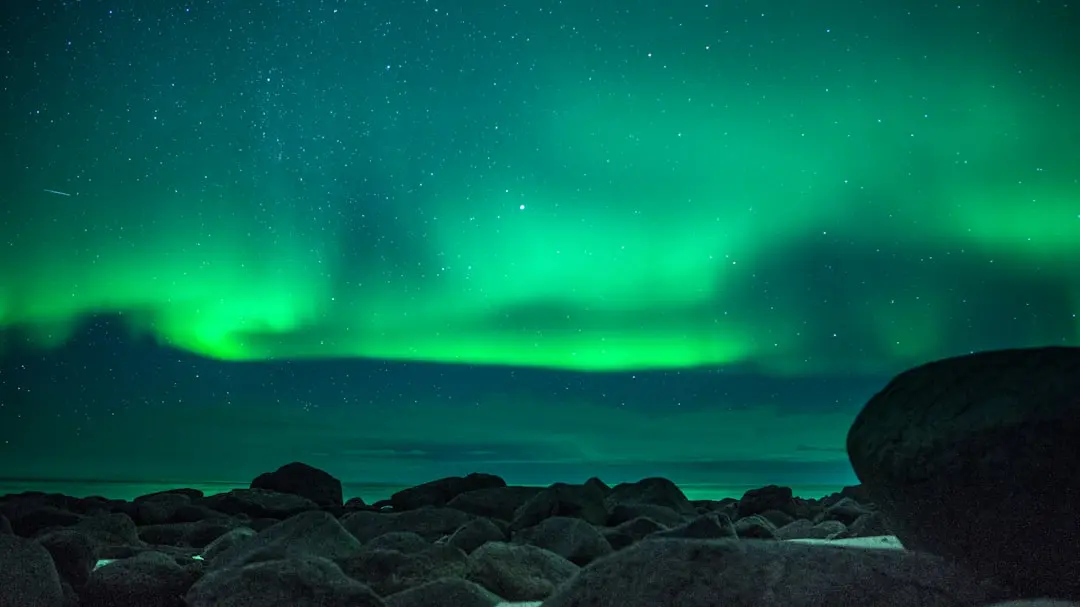
Northern Lights (Aurora) Travel Costs in 2026
Norway · EuropeHunt the elusive aurora from Norway's Arctic capital, Tromsø. While August nights are still bright, prepare for the spectacular northern lights season launching in September. Enjoy midnight sun activities, fjord cruises, and the vibrant cultural scene before winter arrives.
Is Northern Lights (Aurora) Expensive? The Short Answer
Yes — Northern Lights (Aurora) is expensive. At $60 a day for backpacker travel it costs more than 77% of the 399 destinations we track.
- A short trip of 4 nights costs about $240, excluding flights.
- A week costs about $420; a month is about $1800.
- That works out at $60 a day for backpacker travel.
Living in Northern Lights (Aurora): Backpacker Guide for 2026
Chasing the aurora on a backpacker budget is no small feat, but the raw Arctic beauty makes every krone worth it. Tromsø might be one of Scandinavia's priciest corners, yet with savvy planning you can sleep cheap, eat well, and still witness the most spectacular light show on Earth. Right now, in mid-August, the midnight sun is fading, but you can score off-season deals on hostels and tours. The real magic begins in September when the first solar storms light up the sky.
Start with budget digs: Tromsø Hostel & Apartments offer dorms from around 350 NOK ($33) a night, while the Blårock Basecamp is a fun alternative. For food, raid the supermarket and load up on bread, cheese, and canned goods — a daily spend of 200 NOK ($19) keeps you fueled. Don't miss the free viewpoints: hike up the Fjellstua trail for a killer view over the city and fjords. Base yourself in the city center for hostel access, or on the island of Kvaløya for cheaper cabins and darker skies. Ersfjordbotn is a favorite for aurora photographers, and you can often hitch a ride with locals.
Your daily budget: hostel 350 NOK, groceries 200 NOK, transport 60 NOK — that's around 610 NOK ($57) per day. To save more, cook every meal, walk everywhere, and book tours in advance online. Remember, aurora chasing is free if you're patient: check the space weather forecast and drive out of town to escape light pollution. Late August already offers a few hours of darkness, and by September the full show begins. Bring a warm sleeping bag and a headlamp, and you'll be ready for the hunt.
How Much Does Northern Lights (Aurora) Cost? Daily and Monthly Budget
| Travel style | Day | Week | Month |
|---|---|---|---|
🎒BackpackerHostels, street food, public transport | $60/day | $420/week | $1800/month |
💻Digital NomadPrivate room, cafes, coworking spaces | $120/day | $840/week | $3600/month |
✨LuxuryHotels, fine dining, private transfers | $400/day | $2800/week | $12000/month |
Internet Speed in Northern Lights (Aurora) for Remote Work
Where to Stay in Northern Lights (Aurora): Best Neighborhoods
Sentrum (City Center)
$$The vibrant heart of Tromsø, packed with bars, restaurants, and hotels. Perfect for those who want easy access to amenities and the harbor.
Tromsdalen
$Residential area across the bridge, home to the iconic Arctic Cathedral. Offers more affordable accommodation and excellent fjord views.
Kvaløya
$A vast island west of the city known for its dramatic nature and excellent aurora viewing. Ideal for adventurous travelers with a car.
Ersfjordbotn
$A tiny village on Kvaløya, sought after by aurora photographers. Stay in cozy cabins and enjoy unspoiled Arctic scenery.
Weather in Northern Lights (Aurora) This Week
Pros and Cons of Living in Northern Lights (Aurora)
Pros
- +World's best aurora viewing when active
- +Stunning Arctic landscapes and fjords
- +Safe and clean city
- +Excellent internet infrastructure
- +Lots of outdoor activities (hiking, kayaking, fishing)
- +Good local food scene with fresh seafood
- +Unique cultural experiences (Sami culture)
- +Winter sports opportunities nearby
- +Compact city, easy to explore on foot
- +Midnight sun in summer and polar night in winter
Cons
- -Extremely high cost of living
- -Limited daylight in winter (polar night)
- -Weather can be harsh and unpredictable
- -Aurora sightings not guaranteed, weather dependent
- -Expensive and limited budget accommodation
- -Remote location, expensive flights
- -Small city with limited entertainment options
- -No direct flights from many places
- -Winter darkness can affect some people's mood
- -Seasonal tourism peaks can make prices soar
Northern Lights (Aurora) FAQ: What Travelers Ask Most
Yes, destinations like Tromsø in Norway are very safe, with extremely low crime rates. However, the Arctic wilderness requires caution: dress warmly, inform others if heading off-grid, and check weather forecasts.
The northern lights are visible from late September to late March, with February-March being statistically optimal. In August, nights are too light for aurora, but you can catch the start of the season in late August/September.
Since the northern lights are best viewed in Norway, Finland, Sweden, and Iceland (all Schengen), a Schengen visa is required for many non-EU citizens. Citizens of the US, UK, and Australia can enter visa-free for 90 days.
In base towns like Tromsø, fiber internet provides download speeds of 100 Mbps and uploads of 50 Mbps. Cafes and coworking spaces also offer reliable WiFi, making it suitable for remote work.
Yes, but it's challenging due to high costs and remoteness. Norway offers no digital nomad visa, but you can stay up to 90 days visa-free. Many nomads base in Tromsø for its internet and community.
The backpacker scene is limited compared to Southeast Asia, with few hostels and high prices. However, adventurous travelers can find budget options, meet like-minded aurora chasers, and share tours to reduce costs.
Budget backpackers can spend around $60-80/day with hostels and self-catering. Mid-range nomads might spend $120-150/day, while luxury travelers should budget $400+ for premium hotels, dining, and private aurora tours.
Cities Near Northern Lights (Aurora)
The closest destinations across the border, with distance and daily cost
Best Places to Visit in the Arctic and Far North
Top-scoring destinations in the same part of the world.
Quick Facts
- Global Rank
- #339 of 399
- Rank in Norway
- #3 of 14
- Region
- Europe
- Timezone
- Oslo
- Weather
- 6.7°C · Patchy rain nearby
- Backpacker
- $60/day
- Digital Nomad
- $120/day
- Luxury
- $400/day
- Monthly (backpacker)
- $1800
- Download
- 100 Mbps
- Upload
- 50 Mbps
Score by Travel Style
Do You Need a Visa for Northern Lights (Aurora)?
Most nationalities can enter Norway visa-free for up to 90 days under the Schengen agreement. For longer stays or work, a residence permit is required. Check your passport's biometric validity.
Is Northern Lights (Aurora) Safe?
Tromsø is extremely safe, with a low crime rate and well-maintained public services. Usual precautions apply, especially in winter darkness.