
Paris Travel Costs in 2026: Backpacker, Nomad & Luxury Budgets
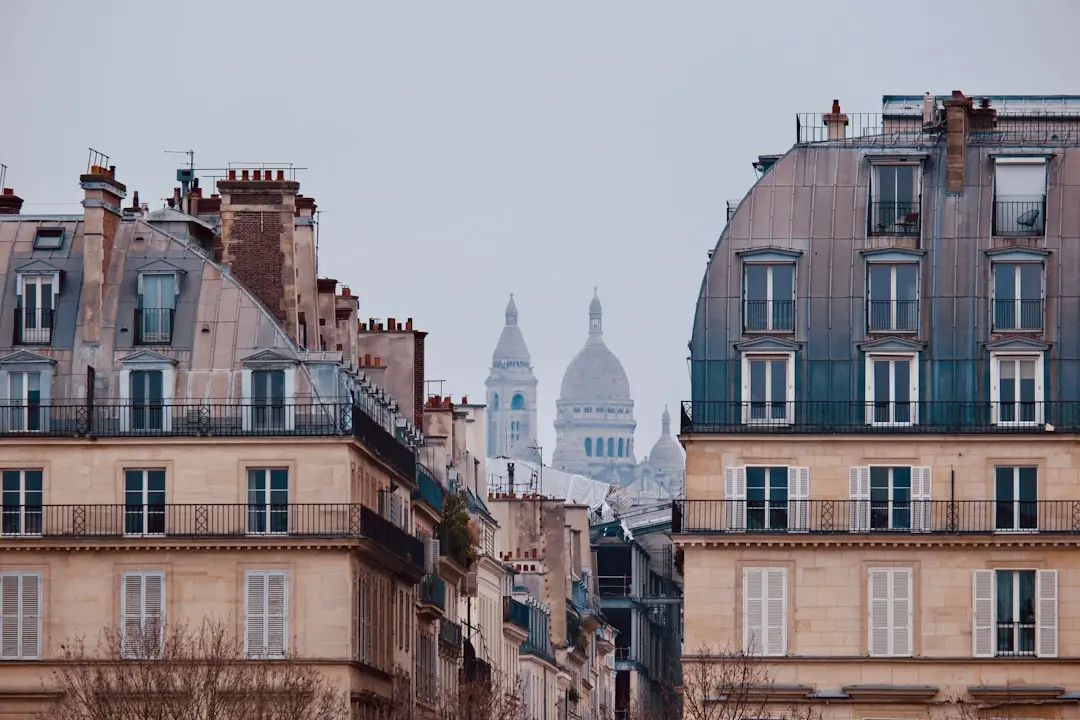
France · EuropeParis in August is a paradox: the city is quieter as locals flee south, leaving you the boulevards and cafés almost to yourself. Paris Plages transforms the Seine banks into urban beaches, and the Rock en Seine music festival roars to life at the end of the month. Prices remain high, but for travelers who plan ahead, this is a magical (if spendy) summer window.
Is Paris Expensive? The Short Answer
Yes — Paris is expensive. At $60 a day for backpacker travel it costs more than 77% of the 399 destinations we track.
- A short trip of 4 nights costs about $240, excluding flights.
- A week costs about $420; a month is about $1800.
- That works out at $60 a day for backpacker travel.
Living in Paris: Backpacker Guide for 2026
Paris is not the cheapest stop on the European trail, but it rewards clever budgeteers with world-class art, parks, and people-watching. August is gold for budget travelers: locals are away, short-stay apartments open up, and many museums offer free or half-price entry on the first Sunday of the month (which falls on the 2nd of this August). You can absolutely spend under €60 a day by staying in dorms, eating bakery sandwiches, and walking everywhere.
For beds, the best-value hostels cluster around the 11th and 19th arrondissements—Les Piaules, St. Christopher’s Canal, and The People Paris are social, clean, and run €28-40 a night. Street food is your friend: a baguette with cheese becomes a picnic, crêpes from street carts cost €4-6, and Moroccan and Middle Eastern spots in Belleville serve hearty plates under €10. Free activities alone could fill a week: climb to the Sacré-Cœur at sunrise, walk the Canal Saint-Martin, explore the Parc des Buttes-Chaumont, browse the covered passages, and watch the Eiffel Tower sparkle on the hour.
The cheapest stay is the Latin Quarter or the 10th arrondissement, where you can also find budget grocery stores and lively markets. The 11th combines street art and cheap eats, while the 18th (Montmartre) has dorms with views but pricier day-to-day costs. A realistic daily budget: €20-25 hostel, €15 food, €5 metro (or invest in a weekly pass), and €5 misc—that’s €45-50, about $50-60. Skip river cruises and overpriced cafés facing monuments, and you’ll leave with your wallet and your wanderlust intact.
Pro tip: download the French Government’s “Pass Culture” app for free entry to many monuments if you’re under 26. With a little planning, the City of Light can shine bright without burning a hole in your backpack.
How Much Does Paris Cost? Daily and Monthly Budget
| Travel style | Day | Week | Month |
|---|---|---|---|
🎒BackpackerHostels, street food, public transport | $60/day | $420/week | $1800/month |
💻Digital NomadPrivate room, cafes, coworking spaces | $120/day | $840/week | $3600/month |
✨LuxuryHotels, fine dining, private transfers | $350/day | $2450/week | $10500/month |
Internet Speed in Paris for Remote Work
Where to Stay in Paris: Best Neighborhoods
Le Marais
$$Historic and fashionable district with narrow streets, art galleries, and the Jewish quarter. It's expensive and lively, perfect for travelers who want a central base with charm and nightlife.
Latin Quarter (Quartier Latin)
$Student hub around the Sorbonne with winding streets, cheap eats, and bookshops. A good mid-priced base for backpackers and nomads, with lively energy and easy access to Notre-Dame.
Montmartre
$Village-like hilltop in the 18th with the Sacré-Cœur basilica and artistic history. Tourist-heavy but magical; summer evenings are enchanting, though prices spike near the main squares.
Canal Saint-Martin
$Trendy 10th/11th district with bohemian vibes, indie boutiques, and canal-side picnic spots. The best value for backpackers and nomads seeking creative energy without the Marais price tag.
Weather in Paris This Week
Pros and Cons of Living in Paris
Pros
- +World-class art and architecture
- +Excellent public transport (Métro, RER, buses)
- +Incredible food scene: from baguettes to Michelin stars
- +Strong safety record for a major city
- +Beautiful parks and promenades
- +Superfast fiber-optic internet
- +Deep history and culture on every corner
- +Vibrant hostel social scene
- +Thriving digital nomad community
- +Unmatched luxury hotels and haute cuisine
Cons
- -High cost of living and daily expenses
- -Crowds at top landmarks even in August
- -Petty theft and pickpocketing
- -Many locals leave town in August, so some shops and restaurants close
- -Complex bureaucracy for long-stay visas and apartment rentals
- -Expensive short-term apartment rentals
- -Strikes and protests can disrupt transport
- -Winter weather is damp and cold
- -Language barrier can be tricky outside tourist zones
- -Some northern neighborhoods feel edgy late at night
Paris FAQ: What Travelers Ask Most
Paris is generally safe for tourists. Violent crime is rare, but watch out for pickpockets in crowded areas like the Eiffel Tower, Musée du Louvre, and the Metro. Avoid walking alone at night in the northern parts of the 18th, 19th, and 20th arrondissements.
The best times are April–June and September–October, when the weather is mild and the crowds are thinner. July–August is peak tourist season, but many Parisians abandon the city, so you can enjoy a more relaxed mood. December is magical for Christmas markets, while winter (Jan–Feb) is cheapest but chilly.
Citizens of the US, UK, Canada, Australia, and many other countries do not need a visa for stays up to 90 days within 180 days under the Schengen Area. For longer stays, you'll need a long-stay visa (VLS-TS) from a French consulate. Always check the latest rules with your local French embassy.
Paris has excellent internet infrastructure, with average fiber speeds around 250 Mbps download and 100 Mbps upload. Many cafés, libraries, and public spaces offer free WiFi, and coworking spaces are plentiful. For remote work, you'll have no concerns about connectivity.
Yes, Paris is a great (if pricy) remote-work hub. There are numerous coworking spaces like Station F, WeWork, and independent cafés that welcome laptops. However, the cost of living is high, so budget at least $3,000–4,000 per month to live comfortably. Under 90 days, your tourist visa usually suffices; for longer, consider the long-stay visitor visa.
Paris has a lively backpacker scene with several well-rated hostels such as Les Piaules, St. Christopher’s Canal, and The People Paris. They organize pub crawls, walking tours, and communal dinners, making it easy to meet fellow travelers. The atmosphere is international, though the city isn't as cheap as Eastern Europe or Southeast Asia.
For backpackers, expect about $60–70 per day: a hostel dorm, bakery food, and a metro day pass. Nomads typically spend $100–130 per day when factoring in an apartment rental and coworking. Luxury travelers can easily spend $350–500 daily on a palace hotel, fine dining, and upscale activities.
Cities Near Paris
The closest destinations across the border, with distance and daily cost
Best Places to Visit in Europe
Top-scoring destinations in the same part of the world.
Quick Facts
- Global Rank
- #263 of 399
- Rank in France
- #3 of 3
- Region
- Europe
- Timezone
- Paris
- Weather
- 16°C · Sunny
- Backpacker
- $60/day
- Digital Nomad
- $120/day
- Luxury
- $350/day
- Monthly (backpacker)
- $1800
- Download
- 250 Mbps
- Upload
- 100 Mbps
Score by Travel Style
Do You Need a Visa for Paris?
Most non-EU citizens (US, UK, Canada, Australia) can enter France visa-free for up to 90 days in any 180-day period under the Schengen Area. For longer stays, apply for a French long-stay visitor visa (VLS-TS) with proof of funds and accommodation.
Is Paris Safe?
Paris is generally safe, but petty theft and pickpocketing are common around the Eiffel Tower, Métro, and tourist hot spots. Stay alert at night in the northern 18th/19th/20th arrondissements, and keep your valuables secure.