
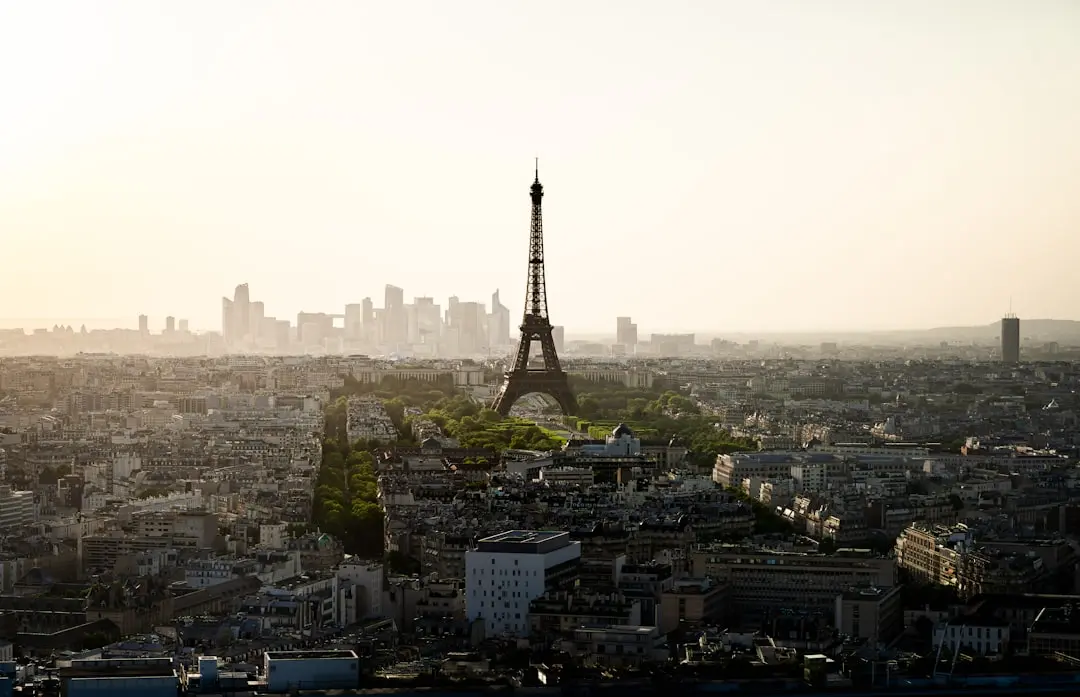
France Travel Costs in 2026
Europe3 destinations to explore. Daily costs average $55 with internet speeds around 167 Mbps and a safety rating of 7.7/10.
Lyon is a French city that balances rich history with modern energy. The Nuits de Fourvière has just wrapped, and the Biennale de la Danse arrives in September, so book early for your stay.
Lyon is a French city that balances rich history with modern energy. The Nuits de Fourvière has just wrapped, and the Biennale de la Danse arrives in September, so book early for your stay.
France Travel Costs at a Glance
- France currently has 3 indexed destination pages on this site.
- Average daily cost for backpacker travel is about $55, with an average score of 5.5/10.
- Top-rated city is Lyon and the most affordable option is Lyon.
- Average fixed internet speed is 167 Mbps and safety is 7.7/10 based on current dataset values.
Is France Expensive?
France is an expensive destination by global standards, and the numbers on this page reflect that: the average backpacker spends $55/day ($1,650/month), the average digital nomad $97/day ($2,910/month), and the average luxury traveler $317/day ($9,510/month). Why so high? The euro is strong, wages are high, and tourism is a major industry that sets premium prices for accommodation, dining, and transport. Paris, as a global hub, pushes costs upward, but even provincial cities like Lyon and Nice maintain prices well above Southeast Asia or Eastern Europe.
However, 'expensive' does not mean unaffordable. A disciplined budgeter can keep daily spending near $50 in Lyon, the cheapest destination on this site, using hostels, bakery breakfasts, and the excellent local bus network. Digital nomads paying $97/day generally rent a private room or small studio, eat out several times a week, and pay for coworking space and fast internet — France’s average fixed connection is 167 Mbps. Luxury travelers get five-star hotels, Michelin-starred dining, and private transfers. The key is understanding what you get for the price and planning around the shoulder seasons.
How Much Does It Cost to Travel in France?
How much you spend in France depends heavily on where you point your map. The cheapest destination on this site is Lyon, where a backpacker can get by on $50/day — a bed in a hostel, a kebab or tarte flambée for dinner, and a transit pass. Paris is the most expensive of the three, at $60/day backpacking; the gap comes down to accommodation and food prices in the capital, which are roughly 20-30% higher than in provincial cities. Nice sits in between, with costs closer to Paris than Lyon due to its Riviera location, but it earns the highest rating (7/10) among remote workers for its combination of climate and coworking options.
For a realistic daily budget, count on $50-60/day for a budget traveler who stays in hostels and cooks some meals, $90-120/day for a mid-range traveler in a private room or budget hotel with a few restaurant dinners, and $300-400/day for comfort — a three-star plus hotel, frequent taxis, and fine dining. The site's overall averages of $55/day backpacker and $97/day digital nomad match this range, with luxury averaging $317/day. Remember that these figures are per person per day and exclude flights to France; once on the ground, your biggest controllable costs are accommodation and alcohol, so choose a cheaper city like Lyon if you want to stretch each day.
Best Time to Visit France
The best time to visit France for budget travelers is the shoulder season: April to June and September to October. During these months, you get pleasant weather — 15-25°C in Paris and Lyon, up to 25°C on the Côte d'Azur — without the summer crowds or the winter chill. Accommodation prices drop 20-40% compared to July and August, and availability is better across Airbnb, hotels, and hostels. If you want to see the lavender fields in Provence or the beaches in Nice, go in late June or early September, when the sea is warm but the school holidays haven't hit full swing.
July and August are peak season, with packed sights and hotel rates that can double in Nice and Paris. The French themselves take their summer holidays in August, so expect crowded highways and pricier restaurants. Winter (November to February) is the cheapest time to travel, particularly in Paris, where hotel rates drop after the holiday rush; just pack for 5-10°C and shorter daylight hours. Watch out for the Nice Carnival in February and the Lyon Festival of Lights on December 8, both of which spike accommodation prices for a few days. For the best balance of price and experience, aim for May or late September.
Getting Around France
Getting between Paris, Nice, and Lyon is straightforward with one major caveat: the train network is fast and comfortable but not cheap, and flights can be a time-saver for the longest hop. The Paris-Lyon route is the busiest high-speed rail link in Europe, with the TGV covering it in about 2 hours; book a few weeks ahead and you can find tickets from $35-45, while last-minute fares can hit $90. The Paris-Nice TGV takes about 5.5 hours and costs $60-120, depending on when you buy and which class. For that longer journey, a domestic flight on Air France or easyJet from Paris Orly to Nice is around 1.5 hours and often cheaper than the train if you book far in advance, with one-way fares from $50-70.
Lyon to Nice is roughly 4.5 hours by TGV, with fares from $45-90, or a 1-hour flight from Lyon-Saint-Exupéry that can be as cheap as $40 if booked early. Long-distance bus operators like FlixBus and BlaBlaCar Bus link the three cities at the cheapest rates — Paris to Lyon from $12-20 in 5-6 hours, Paris to Nice from $25-40 in 10-11 hours, and Lyon to Nice from $15-30 in 5-7 hours — but you trade time for money. A rental car gives you flexibility but expect $50-80/day plus $15-20/day for parking; for these three cities, the train is the better value.
Visas, Money and Entry Rules for France
France is in the Schengen Area, so most travelers from the United States, Canada, Australia, New Zealand, Japan, and the UK can enter visa-free for up to 90 days within any 180-day period. Your passport must be valid for at least three months beyond your planned departure date. If you plan to stay longer or work remotely, you'll need a visa; France offers a 'long stay for remote workers' visa for digital nomads, but it requires proof of income, health insurance, and a French address — the easiest route for Americans and others is usually the 'Passeport Talent' visa if you qualify.
Currency is the euro (€). Cards are accepted almost everywhere, even for a €2 coffee in many cities, but a small amount of cash is useful for markets, tips, and parking meters. Tipping is not expected but appreciated: round up to the nearest euro or leave 5-10% at the table if service was good. ATM fees are the main trap — you'll often pay €3-5 per withdrawal plus your home bank's foreign transaction fee, so take out larger sums rather than multiple small ones. Also, credit cards with no foreign transaction fees are the best choice. The average safety score here is 7.7/10, so take normal city precautions, especially in busy tourist spots and on late-night transport.
All Destinations in France
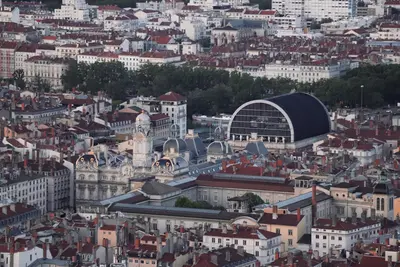 🇫🇷
🇫🇷Lyon
5.6 · AverageLyon is a French city that balances rich history with modern energy. The Nuits de Fourvière has just wrapped, and the Biennale de la Danse arrives in September, so book early for your stay.
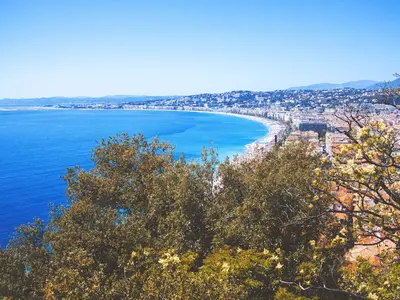 🇫🇷
🇫🇷Nice
5.5 · AverageNice shines in August with its iconic Bay of Angels, a packed Promenade, and the International Fireworks Festival lighting up the sky every weekend. It's a pricier stop for backpackers, yet manageable for remote workers, and a true Riviera treat for luxury seekers.
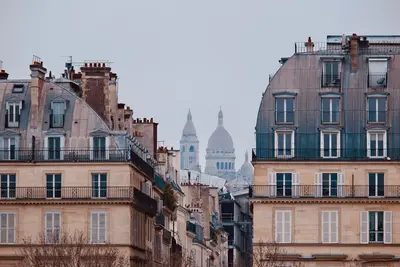 🇫🇷
🇫🇷Paris
5.4 · AverageParis in August is a paradox: the city is quieter as locals flee south, leaving you the boulevards and cafés almost to yourself. Paris Plages transforms the Seine banks into urban beaches, and the Rock en Seine music festival roars to life at the end of the month. Prices remain high, but for travelers who plan ahead, this is a magical (if spendy) summer window.