Gambia Travel Costs in 2026
Africa1 destination to explore. Daily costs average $20 with internet speeds around 15 Mbps and a safety rating of 7.0/10.
Gambia Travel Costs at a Glance
- Gambia currently has 1 indexed destination pages on this site.
- Average daily cost for backpacker travel is about $20, with an average score of 6.4/10.
- Top-rated city is Banjul and the most affordable option is Banjul.
- Average fixed internet speed is 15 Mbps and safety is 7.0/10 based on current dataset values.
Is Gambia Expensive?
Is Gambia expensive? For most travellers, no. The country is one of West Africa's cheapest destinations, with backpackers spending around $20 a day and digital nomads around $45 a day, while luxury travellers can get a great deal at $180 a day. The low daily totals come from cheap local food, affordable guesthouses, and low-cost shared taxis and minibuses. The main reason prices stay low is that much of the economy runs on the local dalasi and daily wages are modest, so a meal in a local eatery costs $2-4 and a simple room $10-15. Imports, like fuel and cars, are expensive, but you won't notice if you eat and travel like a local.
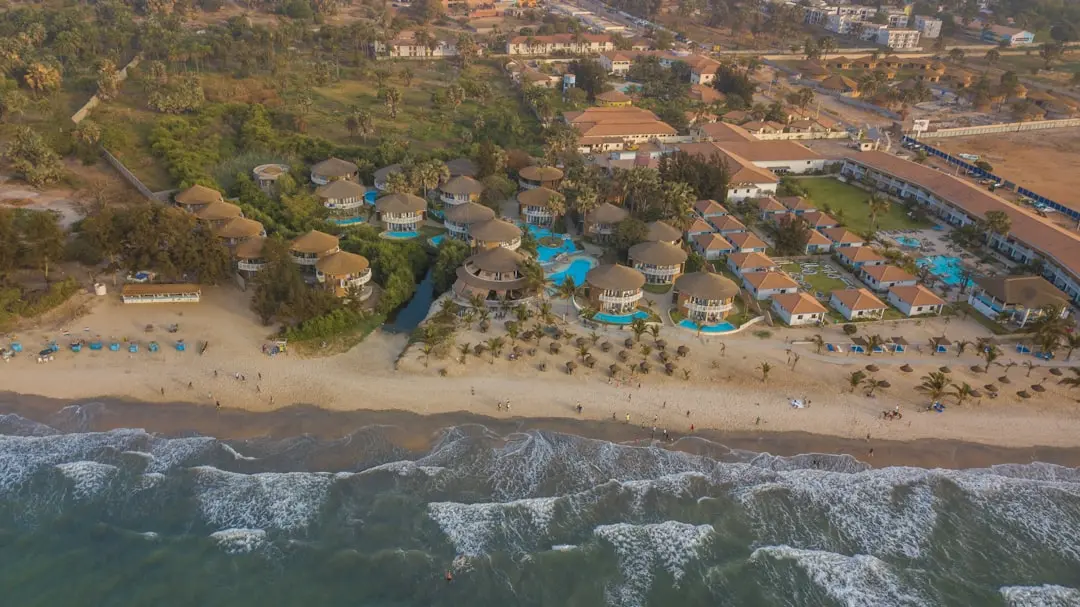
The stretch of coast around Banjul, where almost all visitors stay, is compact and designed for tourism, which keeps competition high and prices flat. Luxury hotels, mostly in the Kololi and Senegambia area, charge $100-150 a night, but you can still find boutique options under $100. The high end of the scale, $180 a day, buys you air-conditioned rooms, pool access, and restaurants with imported wine. Your biggest single cost will almost always be the international flight, not anything you spend on the ground.
How Much Does It Cost to Travel in Gambia?
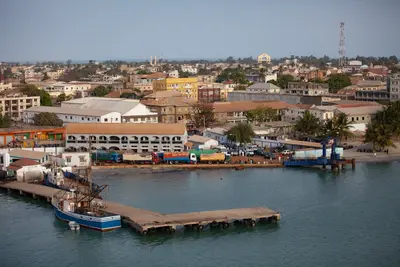
Inside Gambia, the price range is narrow because the whole country is smaller than the island of Jamaica. The site publishes only one destination, Banjul, and it anchors both the cheapest and most expensive daily totals at $20 for backpackers. That doesn't mean every day costs the same. In Banjul itself, a mattress in a backpacker dorm in the old town runs $5-8, while a private room with a ceiling fan in a guesthouse near the river goes for $10-15. For mid-range comfort, budget $45-80 a day: that gets you a proper hotel room in the Fajara area, a couple of restaurant meals, and short taxi hops. If you want to spend at the luxury level, $180 a day, you'll be in a coastal resort in Kololi with a pool, sea view, and air-con.
The reason the gap between cheapest and most expensive on this site is identical — both $20 for a backpacker — is that the actual range of prices in the metro area is small. There are hardly any five-star hotels, and the few that exist sit next to street food stalls. The biggest daily price swings come from season: in July and August, when expats and volunteers flood in, budget rooms double, but the official backpacker figure of $20 often drops to $15 in the low season. For a realistic budget, plan $20-35 a day when you're eating street food and sharing minibuses. Mid-range travellers should expect $45-75, and those who want air-con and a pool will need closer to $100-180.
Best Time to Visit Gambia
The best time to visit Gambia is the dry season from November to May, when skies are clear, humidity is low, and the harmattan wind keeps temperatures manageable. Prices peak from mid-December to mid-January, when European tourists escape the winter and hotel rates in Banjul and the coast double. February and March are the sweet spot: still completely dry, temperatures in the mid-80s, and flight and accommodation costs fall by a third. By April, it's hotter but still pleasant, and you'll find budget rooms for $15 or less.
The wet season, June to October, is much cheaper — backpackers can get by on $15 a day — but you'll face heavy downpours, often in the late afternoon, and some beach lodges close for maintenance in September. The rainiest months are usually July and August, so if you're on a tight budget and don't mind the mugginess, the shoulder months of June and October offer the best value. If you're coming for events, the Roots Festival in late May and June can cause a spike in accommodation in Banjul and Kololi, so book well ahead. Christmas and New Year are the most expensive and crowded time, with many lodges charging double and requiring minimum stays. For the balance of weather and price, aim for mid-March to mid-April.
Getting Around Gambia
Getting around the Banjul area is cheap and easy. The city sits on an island and is connected to the mainland by the Senegambia Bridge to the north and the Banjul-Serrekunda highway to the south. The fastest way between the airport at Yundum and central Banjul is a taxi — roughly $15-20 for the 25-minute ride, or you can share a minibus for about $1. Within Banjul, bright yellow shared minibuses and ghelt ghelt vans run along fixed routes for 50 cents to a dollar, and motorcycle taxis are available for short hops. A tourist taxi from the centre to the beach resorts in Kololi or Senegambia should cost $5-8, though drivers will start higher; negotiate to half the first quote.
Because the entire country is only 320 kilometres along the coast, there is no domestic air network, and rail lines are essentially non-existent. The only ferry that matters is the one across the Gambia River from Banjul to Barra, costing about $1 and running every 30 minutes. If you want to explore beyond the metro, rent a small hatchback for $30-40 a day, but remember that most of the road network is paved only in patches. For the distances you'll actually cover as a tourist, the most practical move is to base yourself in Banjul and use shared taxis to reach the beach, the market, and the river. Unless you're heading to Senegal, you don't need a car.
Visas, Money and Entry Rules for Gambia
For entry, most visitors from the US, the UK, Canada, Australia, and the EU can get a visa on arrival at Banjul International Airport for stays up to 30 or 90 days, though e-visa is also available in advance. Check your passport for any stamps that might complicate things: neighbouring Senegal and countries like Lebanon restrict entry for travellers with Israeli stamps, but Gambia itself does not. Either way, it's wise to have a paper or digital copy of your return ticket; immigration sometimes asks to see it. The currency is the Gambian dalasi (GMD), and cash dominates. Cards are accepted at a few hotels and supermarkets in Banjul and the tourist area, but mostly as a backup; you'll be stuck without cash in villages and at the market.
ATMs are reliable in Banjul and the coastal resorts, but many European and American cards don't work in local machines because they only accept four-digit PINs or specific card schemes. Bring a mixture of euros or US dollars in cash to exchange at the numerous forex bureaus, and keep small dalasi notes for taxis and tips. Tipping is not obligatory but is appreciated: round up a taxi fare or leave 5% at a restaurant. Watch out for the common trap of being quoted a price in dalasi but having a driver ask for dollars at the end; always agree on the currency before you set off. A yellow fever vaccination is required for most visitors, and a malaria prophylactic is recommended, so plan your pre-trip health stop accordingly.