
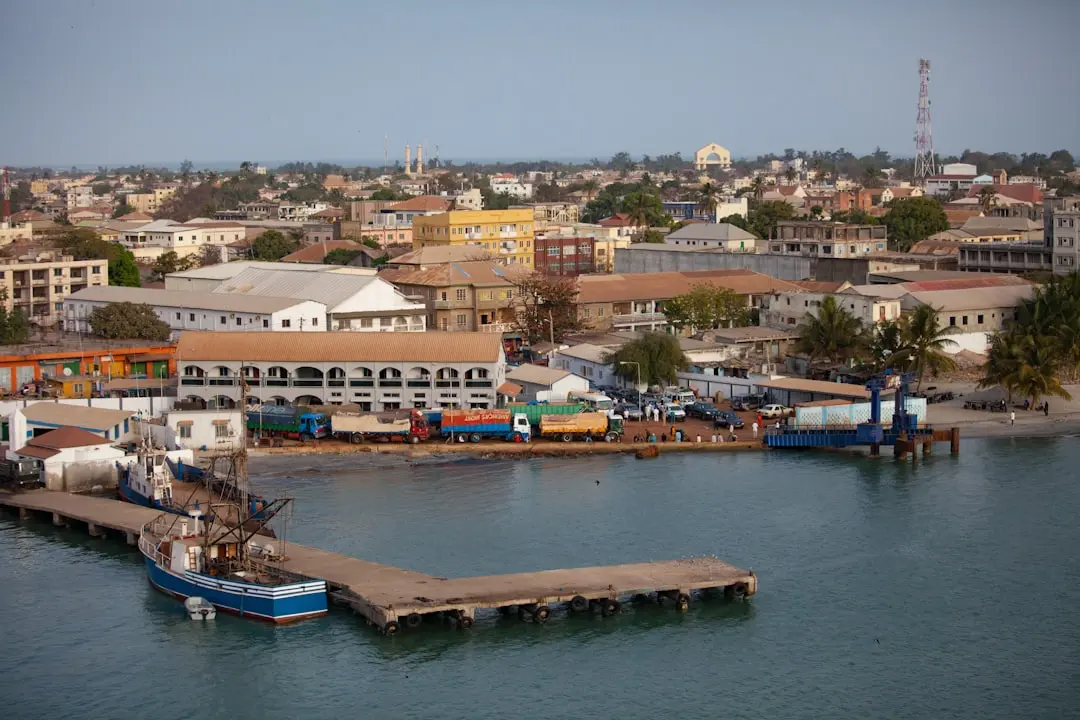
Banjul Travel Costs in 2026: Backpacker, Nomad & Luxury Budgets
Gambia · AfricaBanjul is a raw, welcoming capital that's astonishingly cheap. August's rainy season keeps tourist crowds away, so you'll get authentic Gambia at rock-bottom prices. While no major festivals are happening now, the nearby Senegambia strip still buzzes with live music and nightlife.
Is Banjul Expensive? The Short Answer
No — Banjul is cheap. At $20 a day for backpacker travel it undercuts 95% of the 399 destinations we track.
- A short trip of 4 nights costs about $80, excluding flights.
- A week costs about $140; a month is about $600.
- That works out at $20 a day for backpacker travel.
Living in Banjul: Backpacker Guide for 2026
Banjul is about as off the beaten path as it gets for backpackers, and that's exactly the charm. The Gambia's compact capital is raw, friendly, and beautifully authentic. In August, the rainy season weighs heavy on the air, but the low season means fewer tourists, lower prices, and a genuine feeling of discovery. The markets are alive with the smell of smoked fish and tie-dye fabric, and locals will greet you with a cheerful 'hello' before you even ask which way to go.
Accommodation is humble but functional. Guesthouses like the Banjul Guesthouse and the Youth Hostel on Independence Drive offer simple rooms or dorm-style beds for under $10 a night. For food, walk to Albert Market where you can fill up on benachin (a richly spiced one-pot rice dish), domoda (peanut stew), and grilled bonga fish for about $3. Free entertainment is everywhere: argue with a friend over the price of a kora at the museum, watch the government ferry chug across the river, or simply people-watch in the central plaza. For the beach, grab a shared taxi to Kololi for $1.50 and spend the afternoon on the Atlantic coast.
The best budget neighborhood is Banjul Central itself — you'll be in the heart of it all. Expect noise from the mosques and the market, but you'll save on transport. If you need a Western-style coffee or a more social scene, the coastal villages of Kololi and Senegambia offer hostels with pool tables and bars. Daily cost in Banjul: $8-12 for bed, $5-8 for street food, $2 for local transport, and $5 for any tours or museums — about $20-25 total. Bargain hard everywhere; even a tourist tax is added to some services.
Banjul isn't a backpacker hub, so don't expect a party scene. The reward is an authentically African city that's still cheap and safe. The local people are friendly beyond belief and will love practicing English with you. Take a pirogue to the fishing village of Tanji ($5), or visit the monkey-filled Abuko Nature Reserve. You'll leave with an experience no other traveler you know will have.
How Much Does Banjul Cost? Daily and Monthly Budget
| Travel style | Day | Week | Month |
|---|---|---|---|
🎒BackpackerHostels, street food, public transport | $20/day | $140/week | $600/month |
💻Digital NomadPrivate room, cafes, coworking spaces | $45/day | $315/week | $1350/month |
✨LuxuryHotels, fine dining, private transfers | $180/day | $1260/week | $5400/month |
Internet Speed in Banjul for Remote Work
Where to Stay in Banjul: Best Neighborhoods
Banjul Central
$The compact downtown core with the Albert Market, government buildings, and the ferry port. It's chaotic, colorful, and very local, perfect for budget travelers who want to be in the middle of everything.
Fajara
$A leafy upscale residential area with many embassies and a quiet, suburban feel. It's a good choice for nomads and luxury travelers seeking peace and safety, with several boutique hotels and international restaurants.
Kololi
$The main tourist beach area, home to the Senegambia strip with resorts, bars, and nightclubs. It's lively and sociable, ideal for backpackers and travelers looking for sun, sand, and entertainment.
Cape Point
$$A prestigious neck of land between the Atlantic and the river mouth, featuring upscale villas and the Bakau fishing village. It's exclusive and serene, perfect for luxury travelers seeking privacy and ocean breezes.
Weather in Banjul This Week
Pros and Cons of Living in Banjul
Pros
- +Extremely low cost of living
- +Friendly and welcoming locals
- +Authentic West African culture
- +Small, walkable city center
- +Beautiful nearby beaches (Kololi, Cape Point)
- +Rich history (Kunta Kinteh Island)
- +Tasty street food (benachin, domoda)
- +Peaceful and politically stable
- +Unique off-the-beaten-path experience
- +Excellent sunsets on the river
Cons
- -Limited backpacker infrastructure (few hostels)
- -Unreliable internet and frequent power cuts
- -Rainy season (June-Oct) can make travel soggy
- -Very limited luxury hotels and fine dining
- -Ubiquitous tourist touts and hustlers
- -Poor public transport (shared taxis can be chaotic)
- -Medical facilities below Western standards
- -No real digital nomad community
- -Occasional dengue risk in wet season
- -Limited nightlife outside Senegambia strip
Banjul FAQ: What Travelers Ask Most
Banjul is generally safe for tourists, but like any city, you should stay alert. Petty theft and scams can occur in crowded markets like Albert Market, so keep valuables out of sight. Avoid walking alone at night away from the tourist zones, and use registered taxis. Overall, the Gambia is one of the most stable and peaceful countries in West Africa.
The dry season from November to May is the best time to visit, with sunny days and lower humidity. August is in the rainy season, which brings daily showers and higher humidity, but also beautiful greenery and lower prices. If you don't mind some rain, the off-season is perfect for budget travelers and those seeking solitude.
Many nationalities, including US, UK, and EU citizens, get a 30-day visa on arrival or can apply for an eVisa before travel. ECOWAS citizens are visa-free. Visas are extendable for up to 90 days, which is convenient for long-term stays. Always check the latest rules with the Gambian embassy for your specific passport.
Internet speeds in Banjul are modest, with average downloads around 15 Mbps. Cafés and hotels often have slower WiFi, so your best bet is a local SIM card with a 20 GB data package from Africell or Qcell for about $10. Expect occasional outages during the rainy season, so a backup plan is wise for remote work.
Yes, you can work remotely, but you'll need to adapt. There are no official coworking spaces, so you'll work from cafés, hotel lobbies, or your apartment with mobile data. The visa allows 30 days on arrival, extendable to 90, making it possible for a slow nomad stay. Just bring a power bank and be patient with connectivity.
The backpacker scene is very low-key compared to Southeast Asia or Lisbon. You'll find a handful of guesthouses in Banjul and a few hostels in Kololi, but no bustling party hub. However, the low prices and friendly locals make it easy to meet travelers along the Senegambia strip. It's perfect for adventurous backpackers who want authenticity over crowds.
Banjul is extremely cheap. A backpacker can get by on $20-25 per day with a hostel and street food. Digital nomads should budget $45-50 daily, covering rent, meals, and occasional social outings. Luxury travelers can expect $180-250 per day for a high-end hotel, fine dining, and a private driver. Your money goes much further here than in most capitals.
Cities Near Banjul
The closest destinations across the border, with distance and daily cost
Best Places to Visit in Africa
Top-scoring destinations in the same part of the world.
Quick Facts
- Global Rank
- #171 of 399
- Region
- Africa
- Timezone
- Banjul
- Weather
- 27.9°C · Overcast
- Backpacker
- $20/day
- Digital Nomad
- $45/day
- Luxury
- $180/day
- Monthly (backpacker)
- $600
- Download
- 15 Mbps
- Upload
- 5 Mbps
Score by Travel Style
Do You Need a Visa for Banjul?
Many nationalities get a visa on arrival or eVisa (30 days, extendable). ECOWAS citizens are visa-free. Always verify with the nearest Gambian embassy before travel.
Is Banjul Safe?
Banjul is generally safe for tourists, though petty theft and scams can occur in crowded markets. Avoid walking alone at night, especially away from the city center.