

Greece Travel Costs in 2026
Europe3 destinations to explore. Daily costs average $45 with internet speeds around 52 Mbps and a safety rating of 7.7/10.
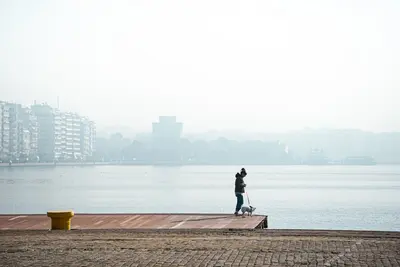
Thessaloniki is a vibrant, budget-friendly Greek city with a phenomenal food scene and lively nightlife. August brings summer festivals and open-air concerts along the waterfront, keeping the streets buzzing into the night. With cheap eats, friendly locals, and a rich Byzantine history, it's a sweet spot for backpackers and cultural explorers.
Thessaloniki is a vibrant, budget-friendly Greek city with a phenomenal food scene and lively nightlife. August brings summer festivals and open-air concerts along the waterfront, keeping the streets buzzing into the night. With cheap eats, friendly locals, and a rich Byzantine history, it's a sweet spot for backpackers and cultural explorers.
Greece Travel Costs at a Glance
- Greece currently has 3 indexed destination pages on this site.
- Average daily cost for backpacker travel is about $45, with an average score of 6.4/10.
- Top-rated city is Thessaloniki and the most affordable option is Thessaloniki.
- Average fixed internet speed is 52 Mbps and safety is 7.7/10 based on current dataset values.
Is Greece Expensive?
Yes, Greece is a mid-to-expensive European destination, especially when you factor in island logistics and peak-season demand. The country imports a large share of its food, fuel and construction materials, and tourism is the dominant industry, so prices are set for visitors rather than locals. Greece also has a short high season that runs from mid-June to early September, and business owners try to earn their year's income in those twelve weeks. That pushes accommodation and transport prices well above the European mainland norm.
At the country level, backpackers average $45/day ($1,350/month), digital nomads $82/day ($2,460/month), and luxury travelers $250/day ($7,500/month). These figures already blend cheap mainland tavernas and hostels with pricey island ferries and boutique hotels. The real takeaway is that Greece rewards planning: you can stay well under the average by choosing Thessaloniki in spring, but the same trip in Santorini in August will blow past it. The average hide the interplay of season, destination, and how far ahead you book.
How Much Does It Cost to Travel in Greece?
Greece does not have one cost profile; it has about three, based on whether you stay on the mainland, on the island circuit, or on the Aegean sunset run. The cheapest major base is Thessaloniki, where a backpacker gets by on $30/day, and the most expensive is Santorini, where the same budget traveller spends $60/day. That doubling is driven by real things: Santorini has to ferry in most supplies, pays premium rents for calderaview rooms, and prices its tavernas for honeymooners. Thessaloniki, by contrast, is a working city with a university, a food market and year-round residents, so prices stay civil. Start there, then add ferry costs if you island-hop.
A realistic daily range for a budget traveller is $30-60 if you mix mainland and islands; a mid-range traveller who wants private rooms and sit-down dinners should plan for $65-115; someone paying for comfort in caldera hotels and boat charters will land in the $150-250 band. The national averages sit neatly on top of these: $45/day for backpackers, $82/day for digital nomads, and $250/day for luxury travel.
Best Time to Visit Greece
The best months to visit Greece are May, June, September and October. The weather is warm but not brutal, the sea is swimmable from late May, and accommodation prices are 30-50% lower than the August peak. July and August are the classic Greek summer, with temperatures routinely hitting the mid-30s°C, flights arriving full, and demand at its absolute highest; this is when the $250/day luxury average starts to make sense if you want a caldera view in Santorini. If you can manage shoulder season, you get the same islands for a fraction of the cost.
Winter (November to March) is the true value window for the mainland: Athens and Thessaloniki have mild, damp days, museums are uncrowded, and hostel beds drop to $20-25. Greek Orthodox Easter, which falls in April or early May, is a major domestic holiday and can spike accommodation prices for a few days, especially on the islands. If you want the classic postcard summer, book by February and treat August as the most expensive month of the entire country.
Getting Around Greece
Getting around Greece is straightforward but not always cheap. For mainland hops, the KTEL bus network is the workhorse: Athens to Thessaloniki takes about five and a half hours and costs $30 one way. The train line between the two cities is slower and less reliable, and the direct flight, if you catch one, is about an hour and runs $50-80. For the islands, ferries are the backbone; a standard Blue Star ferry from Athens (Piraeus) to Santorini runs 5-8 hours depending on stops and costs $40-60 for a deck seat. The alternative is a 45-minute flight from Athens, which lands you on Santorini for $70-120 if booked a few weeks out.
Budget travellers should build their itinerary around bus and ferry; mid-range travellers can mix in one or two flights to save time. There is no rail connection to the islands, and a rental car on Santorini is wildly impractical during peak season due to traffic and parking. A car does make sense on mainland routes if you are a group, but in August factor in tolls and fuel that will push your daily transport cost to $30-40.
Visas, Money and Entry Rules for Greece
Greece is part of the Schengen Area, so US, UK, Canadian, Australian and most European passport holders can stay visa-free for 90 days out of every 180-day period. Your passport must be valid for at least three months beyond your planned departure date, and while they rarely check, border guards can ask for proof of onward travel and accommodation bookings. The currency is the euro, and cards dominate in restaurants, hotels and supermarkets across Athens, Thessaloniki and even Santorini, but small island tavernas and bakery kiosks are still cash-only, so carry €50-80 in small notes.
Tipping in Greece is modest: locals round up the bill or leave 5-10% in tourist restaurants, and you tip porters and guides a couple of euros. The traps to watch are ATMs that offer dynamic currency conversion (always choose debiting in euros to avoid a 4-6% markup) and airport exchange counters that add high commission. For longer stays, there is no visa that lets you work remotely for a foreign employer, so if you call yourself a digital nomad, you are legally on a standard tourist visa, which is fine for up to 90 days but cannot be extended in-country.
All Destinations in Greece
 🇬🇷
🇬🇷Thessaloniki
8.0 · ExcellentThessaloniki is a vibrant, budget-friendly Greek city with a phenomenal food scene and lively nightlife. August brings summer festivals and open-air concerts along the waterfront, keeping the streets buzzing into the night. With cheap eats, friendly locals, and a rich Byzantine history, it's a sweet spot for backpackers and cultural explorers.
 🇬🇷
🇬🇷Athens
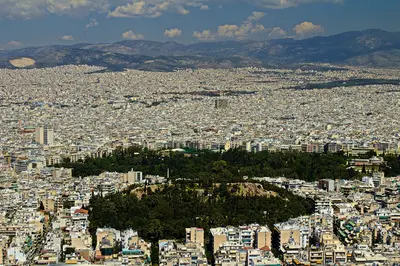
6.3 · GoodAthens in August 2026 is hot, busy, and alive, with the Assumption of the Virgin Mary (Aug 15) and the Athens Epidaurus Festival still running. Backpackers get great value, nomads find a practical base, and luxury travelers enjoy five-star Acropolis views.
 🇬🇷
🇬🇷Santorini
5.0 · AverageSantorini in August delivers jaw-dropping caldera sunsets and the Assumption of Mary festival on Aug 15 — but peak crowds and prices are extreme. Backpackers can scrape by in Perissa hostels, nomads should visit in shoulder season, while luxury travelers find world-class cave suites and infinity pools.