Vatnajokull Glacier Travel Costs in 2026
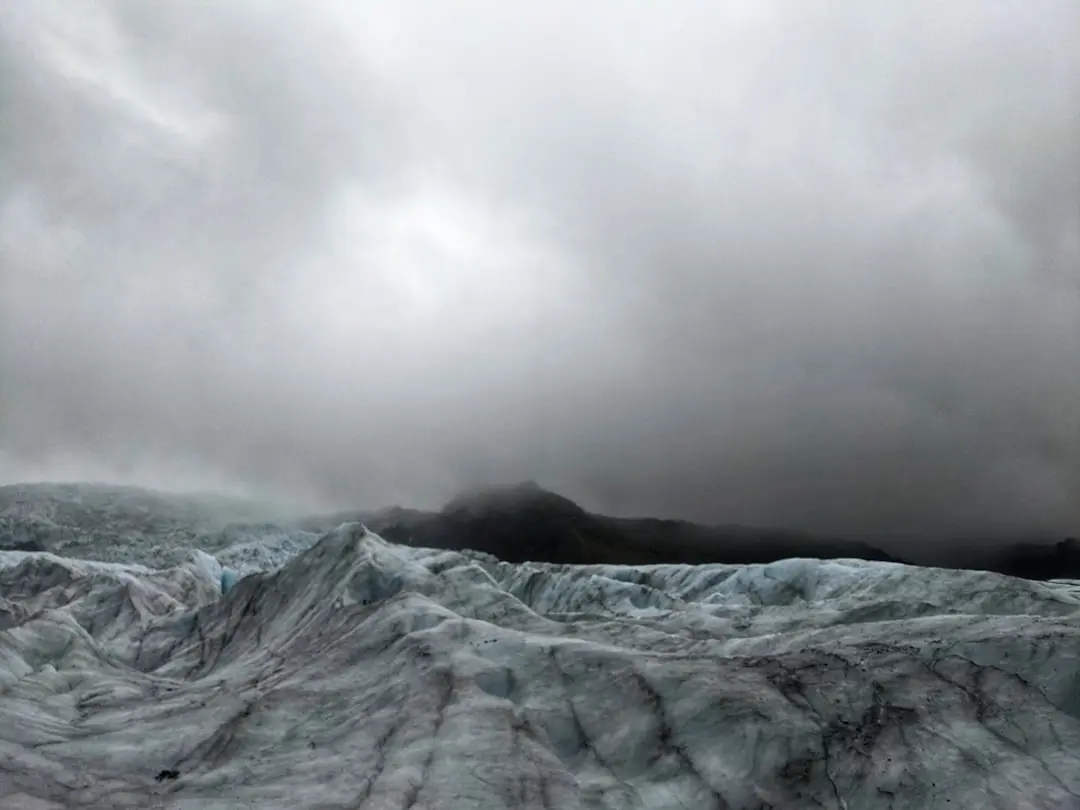
Iceland · EuropeAugust is peak season on Vatnajökull Glacier — the midnight sun has faded but glacier hikes and the first hints of aurora appear by late August. Celebrate the end of summer with Icelandic mountain festivals in the highlands, or explore the glacial lagoon before crowds thin in September. Budget travelers face steep prices, while luxury lodges offer surreal views of ice and fire.
Is Vatnajokull Glacier Expensive? The Short Answer
Yes — Vatnajokull Glacier is expensive. At $90 a day for backpacker travel it costs more than 97% of the 399 destinations we track.
- A short trip of 4 nights costs about $360, excluding flights.
- A week costs about $630; a month is about $2700.
- That works out at $90 a day for backpacker travel.
Living in Vatnajokull Glacier: Backpacker Guide for 2026
Welcome to one of Europe’s most dramatic wildernesses — Vatnajökull Glacier in August is pure magic, but it will test your wallet. The good news: you can see and experience the glacier on a budget if you’re smart. The summer roads are open, campsites are buzzing with European overlanders, and the endless daylight (until late August) lets you pack in more free adventures per day than almost anywhere else on Earth.
Your cheapest base is Skaftafell, where the national park campsite costs about $20 per night and includes hot showers. Höfn, the nearest town, has a handful of hostels (dorm beds around $60–80) and a Bonus supermarket where you can load up on skyr, rye bread, and dried fish. Cook your own meals, fill a thermos with coffee, and spend your days on free treasures: Svartifoss waterfall, the blue ice at Jökulsárlón Glacier Lagoon, and the black-sand beach where icebergs wash ashore. Guided glacier walks cost a fortune, but you can hike to the edge of the ice tongue on marked trails without a guide — just don’t step on the glacier itself without proper gear.
For accommodation, mix camping with hostel nights. The campsite at Skaftafell is the backpacker heart, with a kitchen, laundry, and travelers swapping tips around campfires. Höfn is more convenient if you need Wi-Fi to book your next leg, but it’s less social. Kirkjubæjarklaustur, an hour west, has a few guesthouses and a quieter, laid-back feel — perfect if you’re coming from the Golden Circle.
Daily budget: campsite $20, groceries $15–20, bus or shared car $30–40, plus a coffee and beer around $10. That totals $75–90 a day. If you have a rental car with two or three people, costs drop dramatically — split gas and you can live closer to $65. Avoid eating out entirely, hitch a ride (common in Iceland), and take advantage of free national park entry. It’s not Chiang Mai, but this is raw, powerful nature that you’ll never forget — and your budget is possible if you embrace the camping lifestyle.
How Much Does Vatnajokull Glacier Cost? Daily and Monthly Budget
| Travel style | Day | Week | Month |
|---|---|---|---|
🎒BackpackerHostels, street food, public transport | $90/day | $630/week | $2700/month |
💻Digital NomadPrivate room, cafes, coworking spaces | $160/day | $1120/week | $4800/month |
✨LuxuryHotels, fine dining, private transfers | $500/day | $3500/week | $15000/month |
Internet Speed in Vatnajokull Glacier for Remote Work
Where to Stay in Vatnajokull Glacier: Best Neighborhoods
Höfn
$The largest town near Vatnajökull, about an hour away. It has supermarkets, a hospital, restaurants, swimming pool, and guesthouses. Ideal as a practical base with services, but it lacks the dramatic glacier-adjacent views.
Skaftafell
$The main national park visitor hub, located right on the glacier's edge. Offers camping, a ranger station, hiking trails, and visitor center. The best choice for backpackers and nature lovers who don't mind basic amenities.
Jökulsárlón / Glacier Lagoon
$$A stunning but very touristy area with the iceberg lagoon and Diamond Beach. Accommodation is scarce and pricey, with a few boutique lodges and guesthouses. Perfect for photographers and luxury travelers who want front-row glacier views.
Weather in Vatnajokull Glacier This Week
Pros and Cons of Living in Vatnajokull Glacier
Pros
- +Breathtaking, otherworldly landscapes
- +Excellent safety and lack of crime
- +Cleanest air in Europe
- +Spectacular natural sights: glaciers, waterfalls, black sand beaches
- +Northern lights season begins in late August
- +Good roads in summer along the Ring Road
- +Friendly locals and practical services in Höfn
- +Relatively uncrowded outside main tourism spots
- +Great photography opportunities day and night
- +Geothermal hot springs nearby (Vök Baths, Höfn swimming pool)
Cons
- -Very expensive for all budgets
- -Remote location — long distances between services
- -Limited accommodation options in peak summer
- -Unpredictable weather even in August
- -Poor public transport; a rental car is almost essential
- -Little to no digital nomad infrastructure
- -Short summer season for glacier hiking
- -Crowded at major landmarks like Jökulsárlón
- -Food options limited outside Höfn
- -No real 'city' life — everything closes early
Vatnajokull Glacier FAQ: What Travelers Ask Most
Yes, Iceland is one of the world's safest countries with virtually no violent crime. However, the glacier itself is dangerous — never walk on it without a certified guide, stay behind barriers, and check weather and road conditions regularly. Carry appropriate hiking shoes and layers.
For glacier hikes and full access to the national park, June through August is best, though August is the peak tourist season. For ice caves and aurora viewing, come from September to March, especially October-March for cave tours. Winter road closures make some areas inaccessible without a 4x4.
Vatnajökull is in Iceland, a Schengen member. Citizens of the US, UK, Canada, Australia, and most European countries do not need a visa for stays up to 90 days in a 180-day period. You'll need a passport valid for at least three months beyond your planned departure.
Iceland has excellent internet infrastructure, but coverage is vastly better in towns than in wilderness. In Höfn, you can get 60-100 Mbps download on broadband and 4G/5G mobile hotspots. At Skaftafell and remote huts, Wi-Fi may be limited or nonexistent. Plan for connectivity interruptions.
Technically yes, but it's challenging. There are no coworking spaces, and cafes in Höfn are not designed for long laptop sessions. You'd need a rental with reliable Wi-Fi or a Starlink setup. The lack of community and high costs make it unsuitable for long-term digital nomad life, but short-term retreats are possible.
The backpacker community is small and focused on camping and adventure rather than partying. You'll meet like-minded travelers at the Skaftafell campsite and in Höfn's hostels. It's a great place for solo backpackers who enjoy nature, but don't expect vibrant social hostels or bar crawls — the scene is as wild and quiet as the landscape.
Prices are among the highest in Europe. Backpackers can spend $80–100 per day by camping, cooking, and taking occasional shared rides. Digital nomads staying in a guesthouse and eating out might spend $150–200 per day. Luxury travelers should budget $500 per day for a premium hotel, fine dining, and private excursions. Car rental and fuel are major expenses for everyone.
Cities Near Vatnajokull Glacier
The closest destinations across the border, with distance and daily cost
Best Places to Visit in the Arctic and Far North
Top-scoring destinations in the same part of the world.
Quick Facts
- Global Rank
- #343 of 399
- Rank in Iceland
- #7 of 10
- Region
- Europe
- Timezone
- Reykjavik
- Weather
- 5.1°C · Patchy rain nearby
- Backpacker
- $90/day
- Digital Nomad
- $160/day
- Luxury
- $500/day
- Monthly (backpacker)
- $2700
- Download
- 60 Mbps
- Upload
- 30 Mbps
Score by Travel Style
Do You Need a Visa for Vatnajokull Glacier?
Iceland is part of the Schengen Area. Most non-EU visitors (US, UK, Canada, Australia, Japan) can stay visa-free for up to 90 days within a 180-day period. Your passport must be valid for at least three months beyond your departure date. For longer stays or work, you'll need a residence permit — Iceland is not a dedicated digital nomad visa destination.
Is Vatnajokull Glacier Safe?
Iceland is one of the safest countries in the world, but Vatnajökull's natural environment carries risks: glacier crevasses, sudden storms, and icy roads. Always follow marked paths, check road.is for driving conditions, and never venture onto a glacier without a certified guide. Crime is virtually nonexistent.