
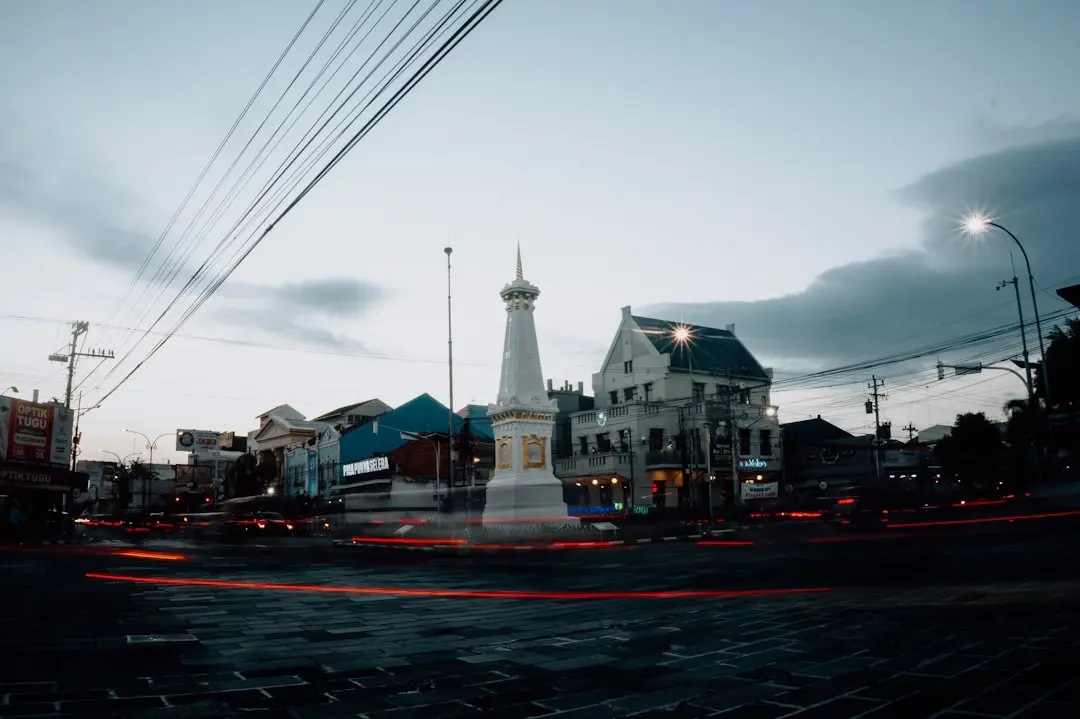
Yogyakarta Travel Costs in 2026: Backpacker, Nomad & Luxury Budgets
Indonesia · AsiaYogyakarta is Java's living culture museum, where backpackers feast for $2, nomads base for under $700/month, and luxury travelers enjoy royal heritage at boutique prices. August 17 Independence Day brings parades and city-wide celebrations, making this the perfect moment to experience the city's patriotic soul.
Is Yogyakarta Expensive? The Short Answer
No — Yogyakarta is cheap. At $12 a day for backpacker travel nothing else we track is cheaper.
- A short trip of 4 nights costs about $48, excluding flights.
- A week costs about $84; a month is about $360.
- That works out at $12 a day for backpacker travel.
Living in Yogyakarta: Backpacker Guide for 2026
Yogyakarta is the beating heart of Java's backpacker trail, a city where your money goes further and every alley hides a new adventure. Right now the streets are gearing up for August 17 Independence Day — expect flags, marching-band rehearsals, and street parades that give the old city a jubilant, patriotic buzz. With guesthouse beds under $5 and a full plate of nasi gudeg for less than $2, it's one of the cheapest places on earth to stretch a budget and still live richly.
Hostels in Prawirotaman and Sosrowijayan are thick on the ground and fabulously social, with dorms from IDR 60,000–80,000 ($4–5) including breakfast and a pool. Eat like a local at Sate Klathak's smoky skewer stalls, try the city's legendary gudeg, and scoop up bakpia pastries as snacks. Budget highlights are almost all free: sunrise at Ratu Boko, sunset on Malioboro, the Kraton's royal courtyards, and Taman Sari's water castle. You'll find murals, underground art spaces, and local jam sessions if you wander.
The two best bases are Prawirotaman (a leafy south-side enclave packed with hostels, cozy cafes and travel agents) and Sosrowijayan (a tangle of lanes near the railway station and Malioboro, perfect for spontaneous meeting people). For a quieter local feel, stay around Kampung Kauman near the Kraton, where homestays are cheaper and you'll wake to the call-to-prayer and rooster calls.
A realistic daily budget is $12–15: $5 dorm, $4 street food, $1–2 on TransJogja buses or shared Gojek rides, and the rest for temple entry fees. Rent a scooter for IDR 70,000 ($4.50) a day to chase Borobudur and Prambanan, or join a cheap shared minibus tour. Always carry small rupiah notes — most warungs don't take cards — and eat wherever the locals queue; you'll save money and eat better.
How Much Does Yogyakarta Cost? Daily and Monthly Budget
| Travel style | Day | Week | Month |
|---|---|---|---|
🎒BackpackerHostels, street food, public transport | $12/day | $84/week | $360/month |
💻Digital NomadPrivate room, cafes, coworking spaces | $40/day | $280/week | $1200/month |
✨LuxuryHotels, fine dining, private transfers | $250/day | $1750/week | $7500/month |
Internet Speed in Yogyakarta for Remote Work
Where to Stay in Yogyakarta: Best Neighborhoods
Prawirotaman
$Traveler's enclave in southern Yogyakarta lined with hostels, indie cafes, and tour shops. The leafy streets have a laid-back vibe perfect for meeting other backpackers and a few nomads.
Malioboro-Sosrowijayan
$The buzzing historical-hotel strip and backpacker larynx around Malioboro street. Expect street food galleries, batik stalls, and a constant flow of travelers.
Kotagede
$Quiet silverwork village 20 minutes from the center with traditional Javanese houses and artisan workshops. Ideal for culture enthusiasts who want an authentic stay away from the tourist track.
Caturtunggal/Seturan
$Modern university district in the north with mid-range apartments, co-working hubs, and the vibrant Javanese student scene. Perfect for digital nomads and long-term stays.
Sleman
$$Hill and paddies area north of the city where five-star resorts and private villas cluster, offering Mount Merapi views and total calm. Best for luxury travelers and honeymooners.
Weather in Yogyakarta This Week
Pros and Cons of Living in Yogyakarta
Pros
- +Extremely low cost of living — meals under $2
- +Rich Javanese culture and royal palaces
- +High concentration of budget hostels and social scenes
- +Amazing street food (gudeg, sate, bakpia)
- +Easy day trips to Borobudur and Prambanan
- +Friendly locals and decent English in tourist areas
- +Cheap scooter rentals and Trans Jogja bus system
- +Vibrant arts scene and street murals
- +Safe and walkable central neighborhoods
- +Indonesia's second-largest university community keeps it lively
Cons
- -Internet speeds can be slow and unreliable in cafes/homes
- -Heat and humidity peak in October-November
- -Motorbike traffic is chaotic and noisy
- -Very limited luxury five-star accommodations
- -Power cuts can disrupt work in rainy-season storms
- -Touts and petty scams around Malioboro
- -Pedestrian infrastructure is poor
- -Public transport beyond the main axis is weak
- -Flash flood risk in low-lying areas during monsoon
- -Crowds spike during national holidays and school breaks
Yogyakarta FAQ: What Travelers Ask Most
Yes — Yogyakarta is one of Southeast Asia's safest cities, with violent crime rare. Watch your belongings in Malioboro and on crowded buses, ignore touts, and avoid unlit alleys after midnight. The local police have a clear 'tourist-friendly' approach.
The dry season from May to September offers the best weather, and August's Independence Day celebrations add a lively atmosphere. Avoid November-March when heavy rains and potential flooding disrupt travel.
Many nationalities receive a 30-day Visa on Arrival at Yogyakarta Airport (US$35), extendable once. Some ASEAN countries get unconditional visa-free entry. Check with the Indonesian embassy for nationality-specific requirements; longer stays need a B211a e-visa.
Average home/café connections run 20-40 Mbps down and 10-20 up, which is fine for most remote work but can dip during peak hours. Coworking spaces offer fiber-optic connections with stable video-call capability, and 4G/5G mobile coverage is excellent.
Yes — Jogja is a growing nomad hub with coworking spaces, affordable apartments, and a supportive community. Most digital nomads use a B211a e-visa or a Visa on Arrival to stay 1-6 months, and the cost of living is among the lowest in Asia (monthly budgets of $600-900 are common).
It's one of the most active in Indonesia. Prawirotaman and Sosrowijayan are packed with social hostels, pub crawls, and shared sunrise tours to Borobudur. You'll meet travelers from all over the world debating temple runs and scooter rentals.
Backpackers can scrape by on $12–15/day (dorm, street food, local buses), digital nomads typically need $30–40/day (apartment + coworking + meals), and luxury travelers should budget $250+/day for heritage resorts, fine dining, and private tours.
Cities Near Yogyakarta
The closest destinations across the border, with distance and daily cost
Best Places to Visit in Asia
Top-scoring destinations in the same part of the world.
Quick Facts
- Global Rank
- #5 of 399
- Rank in Indonesia
- #1 of 5
- Region
- Asia
- Timezone
- Jakarta
- Weather
- 31.8°C · Patchy rain nearby
- Backpacker
- $12/day
- Digital Nomad
- $40/day
- Luxury
- $250/day
- Monthly (backpacker)
- $360
- Download
- 35 Mbps
- Upload
- 18 Mbps
Score by Travel Style
Do You Need a Visa for Yogyakarta?
Most nationalities can obtain a 30-day Visa on Arrival (VoA) at Indonesian airports for US$35, extendable once for an additional 30 days. Citizens of certain ASEAN countries receive unconditional visa-free entry. For longer stays, a B211a social visa (arranged via an Indonesian sponsor) allows 60–180 days.
Is Yogyakarta Safe?
Yogyakarta is one of Southeast Asia's safer cities, but petty theft and snatch-and-grab can occur in crowded spots like Malioboro. Avoid empty alleys at night and use ride-hailing rather than walking alone late.