
Kuala Lumpur Travel Costs in 2026: Backpacker, Nomad & Luxury Budgets
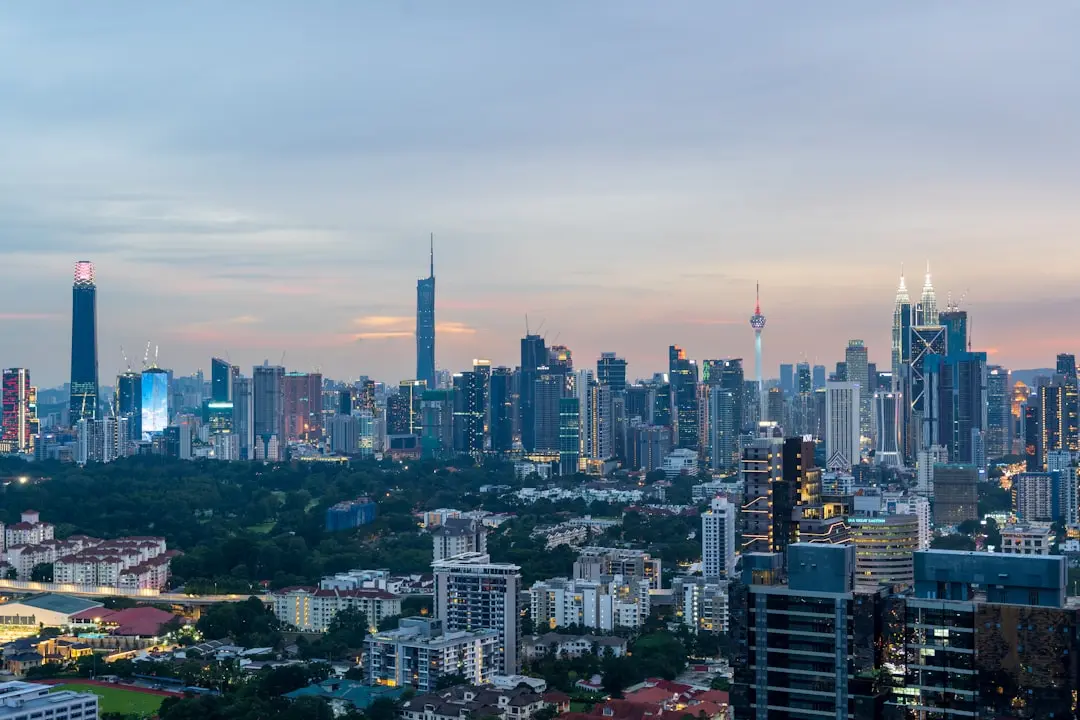
Malaysia · AsiaKuala Lumpur blends modern skyscrapers with colonial heritage and vibrant street life. With a huge food scene, cheap street eats, and a lively backpacker area around Jalan Alor, it's a South Asian budget gem. The city is sprucing up for Merdeka Day on 31 August and Malaysia Day on 16 September, so expect patriotic decorations and festive crowds in the weeks ahead.
Is Kuala Lumpur Expensive? The Short Answer
No — Kuala Lumpur is cheap. At $22 a day for backpacker travel it undercuts 85% of the 399 destinations we track.
- A short trip of 4 nights costs about $88, excluding flights.
- A week costs about $154; a month is about $660.
- That works out at $22 a day for backpacker travel.
Living in Kuala Lumpur: Backpacker Guide for 2026
Kuala Lumpur is a backpacker's dream: the city runs on a fraction of what you'd pay in nearby Singapore, yet offers an electrifying mix of cultures, towering Petronas Towers, and some of the best street food in Southeast Asia. August and early September are extra festive, with Merdeka Day on the 31st and Malaysia Day on the 16th, when the whole city lights up with national pride and street celebrations. Budget travelers will find the energy infectious and the costs refreshingly low.
Start your budget stay in the Chinatown or Bukit Bintang districts, where hostels cost as little as $6–12 a night. The Reggae Mansion and BackHome hostels are legendary for their social scenes, rooftop bars, and free walking tours. For food, you can eat gloriously for under $5 a day: nasi lemak at street stalls, roti canai and teh tarik for breakfast, and hawker centers like Jalan Alor and Pasar Seni serve up grub from every Malaysian ethnicity. Free activities include strolling the Lake Gardens, visiting the Islamic Arts Museum with a student discount, and catching the KLCC fountain show at night.
Chinatown (Petaling Street) is the cheapest base, with dorms, guesthouses, and street food a few steps away. Bukit Bintang is a bit more upscale but buzzing with shopping and nightlife. For a quieter, even cheaper stay, head to Chow Kit or the area around Titiwangsa Lake, a local gem with markets and few tourists.
Your daily budget: hostel $8–12, street food $5–8, local transport $2–3 (the LRT and MRT are efficient and air-conditioned), admission to one or two attractions $3–5. Total: $18–28 per day, easily under $25 if you avoid tourist traps. Save by eating where locals line up, using the free city shuttles, and booking hostels through apps that offer discounts for longer stays. With proactive planning, you can see the highlights of KL on less than $20 a day, leaving plenty of change for extra satay and durian.
How Much Does Kuala Lumpur Cost? Daily and Monthly Budget
| Travel style | Day | Week | Month |
|---|---|---|---|
🎒BackpackerHostels, street food, public transport | $22/day | $154/week | $660/month |
💻Digital NomadPrivate room, cafes, coworking spaces | $75/day | $525/week | $2250/month |
✨LuxuryHotels, fine dining, private transfers | $210/day | $1470/week | $6300/month |
Internet Speed in Kuala Lumpur for Remote Work
Where to Stay in Kuala Lumpur: Best Neighborhoods
Bukit Bintang
$The heart of KL’s entertainment and shopping district, packed with malls, street food, and nightlife. It's touristy but lively, with plenty of hostels and mid-range hotels. Suitable for first-time visitors and those who want to be in the action.
Chinatown (Petaling Street)
$A bustling, historic enclave filled with market stalls, traditional shops, and temples. Accommodations are cheap, and the atmosphere is chaotic but authentic. Ideal for budget travelers seeking culture and street eats.
Bangsar
$$An upscale, leafy suburb that's popular with expats and digital nomads. It has a relaxed vibe, excellent cafés, boutiques, and fine dining. Perfect for travelers who prefer a quieter, more residential stay with easy access to the center.
KLCC (Golden Triangle)
$$The modern core around the Petronas Towers, home to luxury hotels, high-end shopping, and iconic skyline views. Best for luxury travelers and those wanting proximity to the city's crown jewels.
Mont Kiara
$$A wealthy suburb popular with expat families and digital nomads, known for its high-rise condos with pools and gyms. Quiet and green, with international schools and upscale cafés. A bit far from tourist sites but well-connected.
Weather in Kuala Lumpur This Week
Pros and Cons of Living in Kuala Lumpur
Pros
- +Fantastic food scene with affordable street eats
- +Very low cost of living for a major capital
- +Modern and efficient public transport (LRT, MRT, monorail)
- +Visa-free entry for many nationalities (up to 90 days)
- +Fast internet and abundant coworking spaces
- +Safe to walk around, with a low crime index
- +Central hub for flights across Asia
- +Multicultural atmosphere (Malay, Chinese, Indian)
- +Great shopping, from malls to street markets
- +Numerous free attractions (parks, temples, museums)
Cons
- -Hot and humid year-round, with heavy rainfall
- -Hazy season can reduce air quality (July–September)
- -Tourist traps in Bukit Bintang can be overpriced
- -Public transport can be crowded during rush hours
- -Nightlife is less wild than Bangkok
- -Hard to walk around; many areas are not pedestrian-friendly
- -Some neighborhoods lack proper sidewalks and lighting
- -Grab rides are cheap but surge during peak hours
- -Medical facilities for emergencies are good but not world-class
- -Boredom can set in after a long stay if you don't explore outside the city
Kuala Lumpur FAQ: What Travelers Ask Most
Yes, Kuala Lumpur is generally safe for tourists. The city has a moderate safety index, and violent crime against foreigners is rare. Still, pickpocketing and snatch theft can happen in crowded places like Bukit Bintang or on the LRT, so keep your belongings close and use a shoulder bag usually worn away from the road.
Kuala Lumpur has an equatorial climate, hot and humid all year. The driest months are usually June–July, while the end of the year (October–December) brings heavier rain. August and September are great for festivals like Merdeka Day and Malaysia Day, but expect brief afternoon showers anytime. Avoid the smoky haze season in July–September if you have respiratory issues.
Malaysia offers visa-free entry to citizens of over 100 countries, including the US, UK, Australia, and most of Europe, for stays up to 90 days. Some nationalities require an eNTRI or e-Visa. For long-term remote work, you can apply for Malaysia's DE Rantau digital nomad visa (valid 12 months) if you meet income requirements.
The internet is generally fast and reliable in KL, with average download speeds around 100 Mbps in the city and even higher on fiber connections. 5G mobile coverage is widespread. Coworking spaces have fast Wi-Fi, and most cafés offer decent speeds. You'll have few issues with video calls or large uploads.
Absolutely, KL is a popular digital nomad hub. The city has a solid remote-work infrastructure: cheap and comfortable housing, numerous coworking spaces, strong internet, and a growing expat community. The cost of living is low, and the 90-day visa-free entry is great for short stays. For longer, the DE Rantau visa is a good option.
KL has a lively backpacker scene centered around Chinatown and Bukit Bintang, with plenty of hostels that are social and budget-friendly. There are daily tours, pub crawls, and opportunities to meet travelers from around the world. Food is incredibly cheap and diverse, making it a great place to stretch your budget.
For backpackers, expect $20–30 per day (hostel, street food, occasional tours). Digital nomads can live comfortably on $60–80 per day, covering a nice apartment, coworking, good meals, and socializing. Luxury travelers might spend $200 or more per day for five-star hotels, fine dining, and exclusive experiences—still excellent value by global standards.
Cities Near Kuala Lumpur
The closest destinations across the border, with distance and daily cost
Best Places to Visit in Asia
Top-scoring destinations in the same part of the world.
Quick Facts
- Global Rank
- #20 of 399
- Rank in Malaysia
- #2 of 3
- Region
- Asia
- Timezone
- Kuala Lumpur
- Weather
- 32.9°C · Patchy rain nearby
- Backpacker
- $22/day
- Digital Nomad
- $75/day
- Luxury
- $210/day
- Monthly (backpacker)
- $660
- Download
- 100 Mbps
- Upload
- 50 Mbps
Score by Travel Style
Do You Need a Visa for Kuala Lumpur?
Most visitors enjoy visa-free entry to Malaysia for up to 90 days, including Americans, Australians, and many European nationals. Some nationalities need an eNTRI or e-Visa for shorter stays. For longer visits of up to 12 months, consider Malaysia's Digital Nomad Visa (DE Rantau), which offers renewable long-term stays for remote workers.
Is Kuala Lumpur Safe?
Kuala Lumpur is generally safe for travelers, with a medium-low crime rate. Pickpocketing and snatch theft can occur in crowded areas like Bukit Bintang and on public transport, so keep valuables secure. Avoid unlit alleys and remain aware at night, especially in the alleys of Chow Kit and some parts of Pasar Seni.