
Lagos Travel Costs in 2026: Backpacker, Nomad & Luxury Budgets
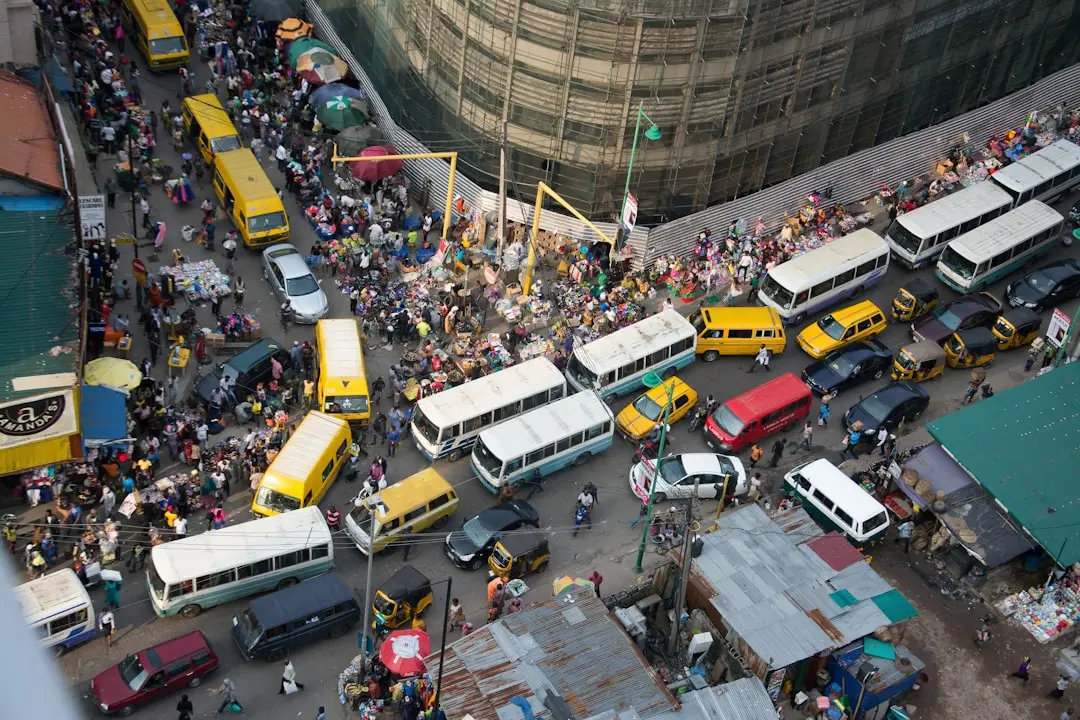
Nigeria · AfricaLagos is a chaotic, exhilarating megacity that rewards the adventurous. Backpackers can dive into street food and Nollywood culture, nomads will find a growing tech scene with patchy internet, and luxury travelers can enjoy flashy hotels and boutique experiences at a fraction of Western prices. With the Lagos International Jazz Festival happening this month, the city is buzzing creatively.
Is Lagos Expensive? The Short Answer
Lagos is mid-range. At $40 a day for backpacker travel it costs more than 51% of the 399 destinations we track.
- A short trip of 4 nights costs about $160, excluding flights.
- A week costs about $280; a month is about $1200.
- That works out at $40 a day for backpacker travel.
Living in Lagos: Backpacker Guide for 2026
Lagos isn't a laid-back budget getaway; it's a high-voltage, chaotic, thrilling dive into West Africa's biggest megacity. For backpackers who embrace controlled chaos, it offers raw energy, incredible Nollywood and Afrobeats culture, and hospitality that's disarmingly warm. Expect to be hustled at every turn, but also expect jaw-dropping street food and nights that never end. This is not Chiang Mai or Hanoi — it's a frontier destination where your smile and street-smarts are your best assets.
Budget accommodation is limited but exists: guesthouses in Yaba or Surulere cost $15–25 a night, and a few hostels have opened around Lekki and the mainland. For food, skip tourist restaurants and eat where locals queue — jollof rice, beans and plantain (dodo), suya, and grilled fish from roadside stands cost just $1–3 per meal. Free entertainment is everywhere: watch a Nollywood shoot on location, browse the chaotic Oshodi market (carefully), or join a free fitness class on the Lekki-Ikoyi bridge on Saturday mornings. The beach at Tarkwa Bay, reached by boat, is a cheap escape from the metropolis.
Stay on the mainland for value — Yaba and Surulere are lively, walkable (in patches) and close to music venues and tech hubs. Lekki is pricier and safer, but you'll pay backpacker-hostile rates. As a rule, budget $35–40/day: $20 for a room, $6–8 for food, $5–8 for transport (danfos and keke are dirt cheap), and spare change for baggage handlers who help you find things. The key is to move like a local, use Uber for night journeys, and always negotiate before you buy.
The reality is that Lagos rewards patience. Traffic is a nightmare, power cuts happen, and you'll need to keep your wits about you. But the music, the food, the entrepreneurship, and the sheer vitality make it one of the rawest and most memorable trips in Africa. If you can roll with the punches, you'll leave with stories that last a lifetime.
How Much Does Lagos Cost? Daily and Monthly Budget
| Travel style | Day | Week | Month |
|---|---|---|---|
🎒BackpackerHostels, street food, public transport | $40/day | $280/week | $1200/month |
💻Digital NomadPrivate room, cafes, coworking spaces | $70/day | $490/week | $2100/month |
✨LuxuryHotels, fine dining, private transfers | $250/day | $1750/week | $7500/month |
Internet Speed in Lagos for Remote Work
Where to Stay in Lagos: Best Neighborhoods
Victoria Island
$$The cosmopolitan heart of Lagos, packed with high-end hotels, banks, restaurants, and nightclubs. It's pricier but offers the most convenience and safety for expats and luxury travelers.
Ikoyi
$$An exclusive, leafy residential area with gated communities, embassies, and the elite Ikoyi Club 1838. Ideal for those seeking privacy and high-end comfort.
Yaba
$The tech hub of Lagos, home to CcHub and a youthful, creative energy. It's more affordable with local food and a growing number of cafes for remote workers.
Lekki Phase 1
$A modern, upscale suburb known for its beach clubs, restaurants, and lively nightlife. A favorite among nomads and young professionals who want a bit of both.
Weather in Lagos This Week
Pros and Cons of Living in Lagos
Pros
- +Incredibly vibrant and energetic culture
- +Delicious and cheap street food (suya, jollof rice)
- +Thriving tech and startup scene
- +Nollywood and Afrobeats global influence
- +Beautiful beaches like Tarkwa Bay
- +Warm and friendly people
- +Nightlife that never sleeps
- +Low cost of living compared to Western cities
- +Unique market experiences (e.g., Oshodi, Lekki)
- +Opportunity to see modern Africa firsthand
Cons
- -Notorious traffic congestion
- -Safety concerns, especially at night
- -Unreliable electricity and internet
- -Aggressive street hustlers and touts
- -Poor public transport infrastructure
- -Pollution and waste management issues
- -Malaria risk and health precautions needed
- -Limited backpacker accommodation
- -Some areas are too expensive for the quality offered
- -Visa red tape for many nationalities
Lagos FAQ: What Travelers Ask Most
Lagos can be safe if you stay in established areas like Victoria Island, Ikoyi, or Lekki and use reputable transport (Uber). Avoid walking at night, don't flash valuables, and be cautious in crowded markets. The risk is primarily petty crime and scams, not violent attacks.
The dry season from October to March is generally the most comfortable, though it's also peak tourist time. The wet season (April to September) brings daily rains but cheaper rates. Major events like Lagos Jazz Festival (August) and Felabration (October) add a cultural boost.
Almost all foreign visitors need a Nigerian visa. The electronic visa application can be made in advance, and some nationalities qualify for Visa on Arrival. It's best to apply weeks ahead and use a visa service if you need fast processing.
Internet speeds in Lagos vary widely. Fiber connections in upscale areas can reach 20-40 Mbps download, but many locations have slower, less reliable service. Mobile 4G hotspots from MTN or Airtel are essential backups for remote work.
Yes, but with caveats. The growing tech scene provides coworking spaces, and the cost of living is low, but the internet and power can be challenging. Many nomads succeed by securing a reliable apartment with a generator and using multiple data plans.
It's small and not well-established. There are few hostels, and budget guesthouses are basic. However, the locals' warmth and the vibrant street culture make it a memorable destination for independent travelers willing to improvise.
Backpackers can spend around $40/day on guesthouses and street food. Digital nomads typically budget $60-80/day for an apartment and coworking. Luxury travelers can indulge for about $250/day, which gets you a five-star hotel and fine dining.
Cities Near Lagos
The closest destinations across the border, with distance and daily cost
Best Places to Visit in Africa
Top-scoring destinations in the same part of the world.
Quick Facts
- Global Rank
- #328 of 399
- Region
- Africa
- Timezone
- Lagos
- Weather
- 26°C · Smoky haze
- Backpacker
- $40/day
- Digital Nomad
- $70/day
- Luxury
- $250/day
- Monthly (backpacker)
- $1200
- Download
- 20 Mbps
- Upload
- 10 Mbps
Score by Travel Style
Do You Need a Visa for Lagos?
Most nationalities require a visa for Nigeria. Business travelers can use the Visa on Arrival scheme, while tourists apply for an e-Visa in advance. Check with the Nigerian embassy for specifics, as requirements change.
Is Lagos Safe?
Exercise caution, especially at night and in areas like Ajegunle and mainland slums. Use reputable transport and stay in secure neighborhoods like Lekki, Ikoyi, or Victoria Island.