
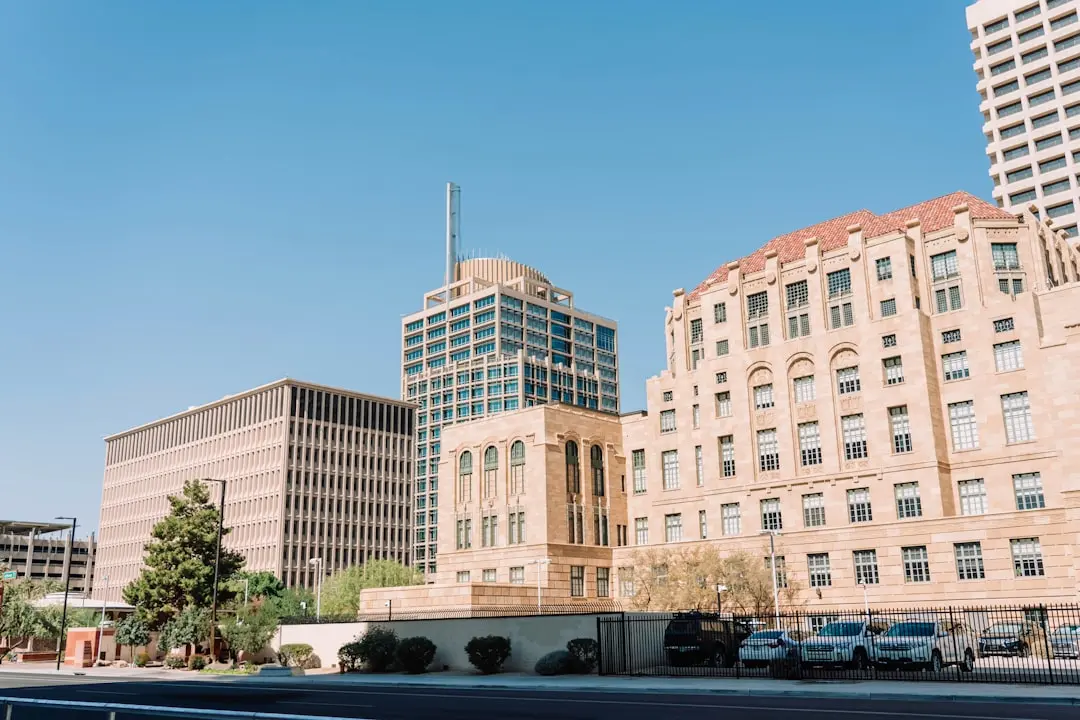
Phoenix Travel Costs in 2026: Backpacker, Nomad & Luxury Budgets
USA · North AmericaPhoenix in August is a furnace — but that means rock-bottom rates on hotel rooms and empty hiking trails. Catch the First Friday Art Walk (September 4, 2026) in downtown galleries and beat the heat with resort pools, Sonoran hot dogs, and air-conditioned museums.
Is Phoenix Expensive? The Short Answer
Yes — Phoenix is expensive. At $65 a day for backpacker travel it costs more than 85% of the 399 destinations we track.
- A short trip of 4 nights costs about $260, excluding flights.
- A week costs about $455; a month is about $1950.
- That works out at $65 a day for backpacker travel.
Living in Phoenix: Backpacker Guide for 2026
Think Phoenix has nothing for budget travelers? Think again. While August's triple-digit heat keeps the snowbirds away, that same heat slashes hostel and motel prices to bargain-basement levels. You'll have the city's free mountain trails, cactus-studded parks, and air-conditioned museums almost to yourself. The backpacker scene is thin compared to Southeast Asia, but the locals are friendly, the beer is cold, and the sunsets are worth every drop of sweat.
For a bed, Metcalf House is the city's only true hostel, with dorm beds around $35; if you'd rather have privacy, budget motels near the airport and along Van Buren can be had for $45-60. Fuel up on Sonoran hot dogs from street carts, or hit Ta'Carbon for $2 tacos at happy hour. Free hikes: Camelback Mountain's Cholla Trail (start before 6am) and South Mountain Park's Dobbins Lookout. The Heard Museum has free admission on First Fridays, and the Desert Botanical Garden is discounted after 5pm.
Stay in Downtown Phoenix near Roosevelt Row for the artsy vibe and free First Friday gallery hops, or in Tempe near Arizona State University, where college dorms rent out in summer and cafes fill you up for under $10. Daily budget: $35 for a bed, $15 for food (street tacos, groceries, happy-hour specials), $5 for buses and light rail — about $55/day. Tips: buy a 24-hour Valley Metro pass for $4, refill your water bottle constantly, and avoid mid-day sun. Even with the heat, Phoenix proves you can do the American Southwest on a shoestring — just bring sunscreen.
How Much Does Phoenix Cost? Daily and Monthly Budget
| Travel style | Day | Week | Month |
|---|---|---|---|
🎒BackpackerHostels, street food, public transport | $65/day | $455/week | $1950/month |
💻Digital NomadPrivate room, cafes, coworking spaces | $85/day | $595/week | $2550/month |
✨LuxuryHotels, fine dining, private transfers | $300/day | $2100/week | $9000/month |
Internet Speed in Phoenix for Remote Work
Where to Stay in Phoenix: Best Neighborhoods
Downtown Phoenix (Roosevelt Row)
$The creative core of the city, known for art galleries, murals, and nightlife. It's walkable, has light rail access, and hosts the First Friday Art Walk. Price level is medium, with a mix of historic homes and modern apartments.
Tempe
$A college town home to Arizona State University, with a lively energy, abundant cheap eats, and bike-friendly streets. Good for budget travelers and young nomads, with a cooler vibe and lower rents.
Scottsdale (Old Town)
$$The upscale suburb known for luxury resorts, boutique shopping, and high-end dining. It's the base for luxury travelers, with a walkable historic district and countless spas. Price level is high, but summer deals can make it more accessible.
Arcadia / Biltmore
$$An affluent residential area with golf courses, lush landscaping, and mid-century modern architecture. It's a tranquil oasis close to nature trails, with upscale shopping at the Biltmore Fashion Park. Best for luxury stays.
Weather in Phoenix This Week
Pros and Cons of Living in Phoenix
Pros
- +Extreme heat brings huge discounts on luxury hotels in summer
- +World-class desert nature and hiking right in the city
- +Fast internet and abundant workspace options
- +Great Sonoran hot dogs and taco culture
- +Vibrant art scene with monthly First Friday events
- +Direct train to Grand Canyon (as a day trip via bus)
- +No state income tax for those working in Arizona
- +Perfect winter weather (though not in August)
- +Large airport with many international connections
- +Friendly locals and a growing craft beer scene
Cons
- -Brutal summer heat (often 110°F+), limiting outdoor activities
- -Weak public transport; most areas require a car
- -Not a classic backpacker hub; few hostels
- -Noisy and sprawling; high car dependency
- -Monsoon storms in summer can hit suddenly
- -Limited nightlife compared to coastal cities
- -High winter rates for hotels and rentals
- -Light pollution obscures the desert sky near city
- -Many cultural attractions are spread out
- -A lack of dense walkable neighborhoods outside downtown
Phoenix FAQ: What Travelers Ask Most
Yes, Phoenix is generally safe, especially in well-trafficked tourist zones like Downtown, Tempe, and Old Town Scottsdale. Use common sense at night, avoid certain stretches along I-10 and the Greyhound station, and remember that the biggest danger is heat stroke — always carry water.
If you hate heat, visit between November and April when daytime highs are 65-85°F. However, August offers the lowest prices and fewer crowds, with hotel rates up to 50% off. In September, the Arizona Restaurant Week and First Friday Art Walk are highlights.
Most European, Japanese, Australian, and many other citizens can enter the U.S. under the Visa Waiver Program (ESTA) for 90 days without a visa. Others need a B-1/B-2 visitor visa. Always check the latest requirements with the U.S. embassy or consulate.
Very good. Google Fiber covers many parts of the city with up to 1 Gbps speeds, making remote work a breeze. Download speeds commonly exceed 100 Mbps, and 5G is widely available. Even public libraries offer reliable free WiFi.
Absolutely. The city has solid internet, air-conditioned cafes, and a few dedicated coworking spaces like Galvanize. The lack of a big nomad community might make networking harder, but the infrastructure is reliable and the time zone overlaps well with all of North America and late Europe.
It's thin. Only a few hostels (like Metcalf House) exist, and budget motels are common. There's no hostel crawl culture, but you can find fellow travelers on the First Friday art walk or at popular hiking trails. It's not a classic backpacker city, but budget travelers can still manage with planning.
Backpackers can get by on $55-70/day with a hostel bed and cheap tacos. Digital nomads should budget around $80-100/day for a private studio, coworking, and groceries. Luxury travelers can enjoy top resorts starting at $300/day, especially in the summer when rates drop.
Cities Near Phoenix
The closest destinations across the border, with distance and daily cost
Best Places to Visit in North America
Top-scoring destinations in the same part of the world.
Quick Facts
- Global Rank
- #305 of 399
- Rank in USA
- #13 of 20
- Region
- North America
- Timezone
- Phoenix
- Weather
- 31.2°C · Clear
- Backpacker
- $65/day
- Digital Nomad
- $85/day
- Luxury
- $300/day
- Monthly (backpacker)
- $1950
- Download
- 150 Mbps
- Upload
- 50 Mbps
Score by Travel Style
Do You Need a Visa for Phoenix?
Most visitors to Phoenix enter the U.S. under the Visa Waiver Program (ESTA) for up to 90 days — citizens of 40+ countries (UK, EU, Japan, Australia, etc.) qualify. Others need a B-1/B-2 visitor visa. Overland entry from Canada/Mexico has similar rules. Check the U.S. State Department for current entry requirements.
Is Phoenix Safe?
Phoenix is generally safe, especially in tourist areas like Downtown and Scottsdale. Use normal urban caution: avoid poorly lit areas near the Greyhound station and I-10 underpasses at night, and never leave valuables in cars parked on trails. Summer heat is the biggest safety risk, so hydrate and avoid mid-day hikes.