Ireland Travel Costs in 2026
Europe1 destination to explore. Daily costs average $50 with internet speeds around 80 Mbps and a safety rating of 8.0/10.
Ireland Travel Costs at a Glance
- Ireland currently has 1 indexed destination pages on this site.
- Average daily cost for backpacker travel is about $50, with an average score of 5.0/10.
- Top-rated city is Dublin and the most affordable option is Dublin.
- Average fixed internet speed is 80 Mbps and safety is 8.0/10 based on current dataset values.
Is Ireland Expensive?
Yes, Ireland is an expensive place to travel. The average backpacker spends $50 a day, a digital nomad about $100 a day, and if you want a luxury holiday you will be closer to $350 a day — that works out to $1,500, $3,000 and $10,500 a month respectively. The reasons are structural: Ireland is a small island with high wages, a strong domestic economy, and a tourism industry that has grown faster than supply. Almost everything you buy is imported, from food to fuel, and accommodation in Dublin is both scarce and pricey. That $50 backpacker daily figure is a real budget — it means a hostel bed, cooking your own food, and walking or using buses.
The prices also swing with the seasons. From June to August, or around St Patrick's Day and Christmas, hotels in Dublin can cost three times what they do in November. The euro exchange rate matters too: for Americans or Brits on a weak currency, Ireland feels significantly more expensive. Even on a budget, you can keep costs manageable by staying in hostels outside the city centre, buying groceries from Lidl or Aldi, and using the Leap card for transport. But do not expect a cheap trip — at these prices, it is worth planning your food and accommodation well ahead.
How Much Does It Cost to Travel in Ireland?
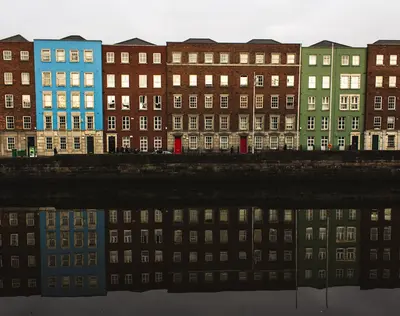
This site publishes a single Ireland destination: Dublin. That means Dublin is simultaneously the cheapest and the most expensive destination in our guide, simply because it is the only one. In reality, Ireland's cost of living falls once you leave the capital. Hostels in Galway or Cork tend to run $40–$50 a night versus $60–$70 in Dublin, and a lunch that costs $15 on Grafton Street will be closer to $12 in a smaller town. You can budget $50–$70 a day as a backpacker, $100–$150 for a mid-range stay with private rooms and sit-down meals, and $300–$400 a day for a more comfortable trip with better hotels and good restaurants. These ranges assume you are staying in the region for a few days.
The gap between Dublin and the rest is real but not huge. The main cost drivers are accommodation and food in the capital. A budget traveller can keep costs near the $50/day figure by staying in a hostel dorm, cooking at home, and avoiding the Temple Bar district for drinks. A digital nomad on $100/day will get a private room in a guesthouse or a modest hotel, a few meals out, and decent Wi-Fi. At the $350/day luxury level, you can expect a quality hotel, fine dining, private transfers, and tours. If you are planning to move around the country, remember that transport between cities adds $20–$40 per leg, so factor that into your daily average.
Best Time to Visit Ireland
The cheapest time to visit Ireland is from November to February, when Dublin hotel rooms drop to $100–$150 a night and flights are at their annual low. The weather is cold, wet and windy, with about four hours of daylight in deepest December, but you will have the place to yourself. The true value window is May, June and September. In May the days are long, temperatures are mild, and the summer crowds have not yet arrived. June brings the longest days — it doesn't get dark until nearly 11pm — and while prices start to rise, they are still below the July–August peak. September is warm and quiet, with the Galway International Oyster Festival a good excuse to visit.
Avoid July and August if you are on a budget. That is when the city is packed with American and European tourists, and accommodation can reach $300 a night for a basic room. St Patrick's Day in March also spikes prices for a week. Christmas is magical in Dublin but expensive, with high-end dinners and festive markets. For the best combination of good weather, manageable prices and fewer tourists, plan your trip for late May or early June, or mid-September. You will need a raincoat no matter what, but those months give you the most value for your money.
Getting Around Ireland
To reach Dublin, you will arrive at Dublin Airport (DUB), which is about 10km north of the city. A taxi into the centre costs $30–$40, but Aircoach and Dublin Express buses run every 20 minutes for around $8–$12 one-way. Within the city, a Leap card gives you the best fares: a single bus or tram ride is $2.50, and the daily cap is about $8. Trains from Heuston and Connolly stations connect to Cork, Galway and Belfast, with a Dublin–Cork return costing $50–$70 if booked in advance. Bus Éireann and private coaches like GoBus and Citylink are cheaper, often $20–$30 one-way between cities.
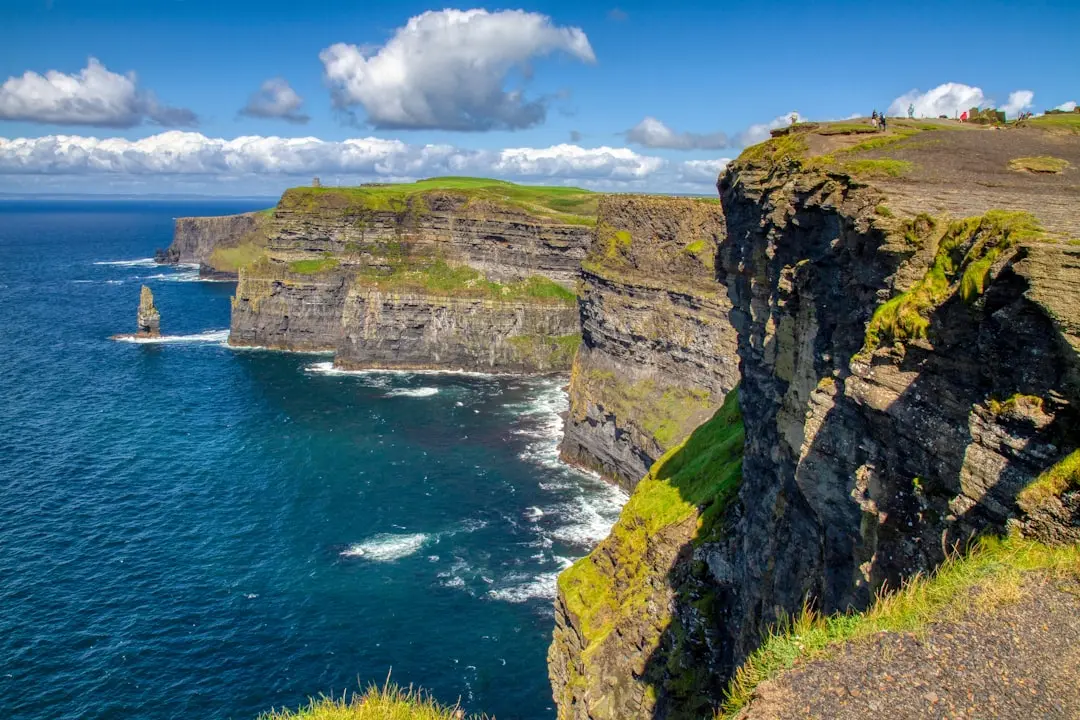
For getting around the countryside, a rental car is the practical option. Public transport beyond cities is sparse, and many of the best sights — the Cliffs of Moher, Ring of Kerry, Wicklow Mountains — are best reached by car. A small car rents for $40–$60 per day, plus fuel at about $1.80 per litre. That can add up, but splitting it between two or three people makes it comparable to train fares. If you are only visiting Dublin, skip the car and use buses and trams. If you want to explore beyond the capital, plan to rent for at least three days to justify the cost.
Visas, Money and Entry Rules for Ireland
Ireland is not in the Schengen Area, so its visa rules are separate. Citizens of the US, Canada, Australia and the UK can enter as tourists without a visa for up to 90 days. EU/EEA citizens have the right to stay freely. Many other nationalities need a short-stay visa, so check with the Irish Naturalisation and Immigration Service (INIS) well before you book. The currency is the euro. Cards are accepted almost everywhere — even at farmers' markets — and contactless is the norm. Cash is rarely needed but useful for small purchases or rural pubs. ATMs are widely available, and most banks charge no fee for withdrawals, but the ATM itself may show a conversion offer; always decline that and pay in euros.
Tipping is customary but not enforced. In restaurants, leave 10–15% for good service; in taxis, round up; in pubs, you don't tip for drinks. Hotels often add a service charge, so check the bill. One entry trap to watch: if you have a visa refusal or a criminal record, the immigration officer can deny you entry even with a valid visa, and you may need a letter from your employer proving your return plans. Also, Ireland requires that your passport be valid for at least six months from your arrival date. Don't buy a prepaid SIM at the airport; the prices are inflated. Instead, use the free Wi-Fi almost every café offers, or buy a local SIM at a supermarket for around $20.