
UK Travel Costs in 2026
Europe3 destinations to explore. Daily costs average $47 with internet speeds around 90 Mbps and a safety rating of 8.3/10.
Manchester is a gritty, music-filled city that’s more affordable than London—and with Manchester Pride happening in late August, summer stays come with rainbows and big parties. Backpackers can still save with the right hostels, while nomads find fast fibre and laid-back coworking. Luxury travelers will discover discreet high-end hotels and a vibrant dining scene.
Manchester is a gritty, music-filled city that’s more affordable than London—and with Manchester Pride happening in late August, summer stays come with rainbows and big parties. Backpackers can still save with the right hostels, while nomads find fast fibre and laid-back coworking. Luxury travelers will discover discreet high-end hotels and a vibrant dining scene.
UK Travel Costs at a Glance
- UK currently has 3 indexed destination pages on this site.
- Average daily cost for backpacker travel is about $47, with an average score of 5.6/10.
- Top-rated city is Manchester and the most affordable option is Manchester.
- Average fixed internet speed is 90 Mbps and safety is 8.3/10 based on current dataset values.
Is UK Expensive?
Yes, the UK is expensive by almost any comparison. The site’s own figures put a backpacker at $50 a day — that’s $1,500 a month — and a digital nomad at $92 a day, or $2,760 a month. For anyone wanting comfort instead of a bunk bed, the luxury figure jumps to $333 a day, which is $9,990 over four weeks. These are not outlier prices; they are the averages across the country, driven by high minimum wages, steep commercial rents in central London and the fact that almost everything—from groceries to hotel sheets—is imported or carries a premium.
The real reason the UK feels expensive is that you are paying for density and convenience. In a compact country with world-class rail and endless sightseeing, the cost per useful hour is actually lower than in the rural reaches of Western Europe. But prices inflate in summer, when London’s budget hotel rooms can triple, and in December, when Christmas markets flood the city. The best lever is your own booking behaviour: buy train tickets eleven weeks ahead, eat street food rather than sit-down restaurants, and stay in managed dorms instead of chain hotels. That is how the $50-a-day backpacker figure becomes a reality rather than a fantasy.
How Much Does It Cost to Travel in UK?
London is both the cheapest and the most expensive destination on this site, at $50 a day for backpackers. That sounds contradictory, but it's because London's published backpacker rate is the only fixed daily budget the site lists for any UK city. Manchester and Edinburgh sit in the same cost band most of the year, though the Edinburgh Fringe each August can push a central hostel bunk to $60–$70, temporarily making Edinburgh the priciest of the three.
In practical day-to-day terms, a budget traveller should plan on $50–$65 a day anywhere in the UK—that covers a hostel bed, three quick meals, and one paid attraction. A mid-range traveller paying for a private room and the occasional taxi will land around $92 a day, while someone wanting a comfortable hotel and restaurant dinners should expect $250–$350 a day, with London at the top end and Manchester at the bottom. The gap between cities is real but small; your own choices—a supermarket lunch instead of a pub, a night bus versus a cab—move the needle as much as geography.
Best Time to Visit UK
May and September are the true value months in the UK. The weather is mild—expect 12–18°C days, occasional showers—but crowds are thin, hostels have empty bunks, and train prices drop by a third compared with August. July and August bring the peak, both in terms of weather and price: Edinburgh also hosts its month-long Fringe in August, which doubles room rates near the Royal Mile, while London’s theatre season and school holidays keep hotel occupancy high, with rates climbing 20–30% above the September baseline.
The December holiday season is another price spike: London’s Christmas markets and ice rinks draw domestic-trippers, and accommodation can hit 2–3 times the January rate. If you can travel in early October or late April, you'll get mild weather and low prices. But some things you can't time away—the Edinburgh Fringe is a once-a-year event, and if you're planning to see it, book accommodation at least six months ahead and expect to pay premium rates for any private room.
Getting Around UK
London to Manchester is a 2h10 train ride on Avanti West Coast, with advance tickets from $25 if you book 10–12 weeks out, but peak walk-up fares can hit $150. The coach is much cheaper—National Express and Megabus charge $10–$20 for the 4h30 journey—so if your budget is tight, take the bus. From Manchester to Edinburgh, trains run about 3h10 via TransPennine Express, again with advance fares from $30 and walk-ups near $120; coaches are $15–$25 and take 5–6 hours.
Flying between London and Edinburgh is an option, but not a sensible one once you add airport transfers and security. Pre-booked easyJet or Ryanair flights from Luton or Stansted to Edinburgh airport can be $30–$60, but the door-to-door time is comparable to a 4h30 train on LNER from King's Cross, and the same holds for London–Manchester, where a shorthaul hop from London City or Heathrow still needs an hour of security. For all three cities, overland travel is the most practical and sustainable—there are no ferries or internal flights that beat rail on time or cost.
Visas, Money and Entry Rules for UK
Visa rules for the UK are straightforward for most travellers. Citizens of the US, Canada, Australia and New Zealand can visit for up to six months visa-free, but since 2025 they need an Electronic Travel Authorisation (ETA) before flying; it costs about $16 and takes minutes to apply. The UK is not part of the Schengen zone, so a Schengen visa won't get you in. Two-page passport validity isn't enough—most airlines refuse travel if your passport has fewer than three months' validity beyond your departure date.
The currency is pounds sterling (GBP), and cards dominate—contactless works nearly everywhere, so cash is only needed for tiny shops, car parks and the occasional market stall. Tipping is not compulsory: in restaurants, a 12.5% service charge is often included; if not, 10–12% is polite for good service. Reject dynamic currency conversion at ATMs, which charges you extra in your home currency, and avoid exchange booths at airports where the spread can exceed 8%. For travellers with stamps from certain countries, note that UK entry rules are unchanged—but it's worth checking the entry requirements of any country you plan to travel to after leaving the UK, as some states in the Middle East and North Africa have different rules for passports bearing Israeli stamps.
All Destinations in UK
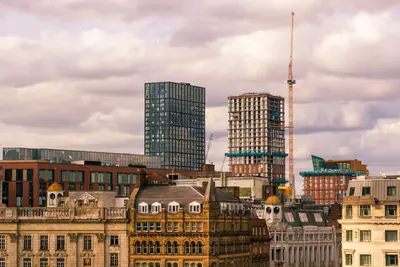 🇬🇧
🇬🇧Manchester
6.2 · GoodManchester is a gritty, music-filled city that’s more affordable than London—and with Manchester Pride happening in late August, summer stays come with rainbows and big parties. Backpackers can still save with the right hostels, while nomads find fast fibre and laid-back coworking. Luxury travelers will discover discreet high-end hotels and a vibrant dining scene.
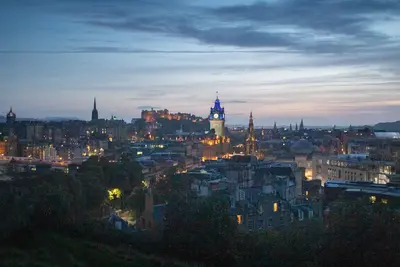 🇬🇧
🇬🇧Edinburgh
6.0 · GoodEdinburgh in August erupts into the world's biggest arts festival – the Fringe, International Festival, and Military Tattoo transform every corner into a stage. For the savvy, it's a magical but pricey time; expect high demand for hostels, hotels, and tickets. Budget travelers can still find free shows and cheap eats, while luxury seekers get extraordinary exclusive venues.
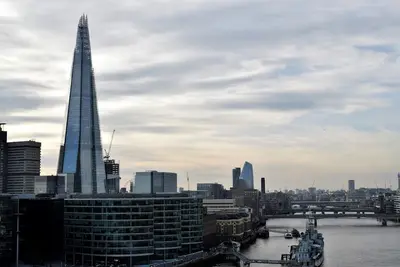 🇬🇧
🇬🇧London
4.5 · Below AverageLondon in August is buzzing with summer energy and the Notting Hill Carnival is just around the corner (Aug 30-31). It's expensive, but free museums, world-class transport, and a legendary social scene make it a bucket-list destination for every type of traveler.