
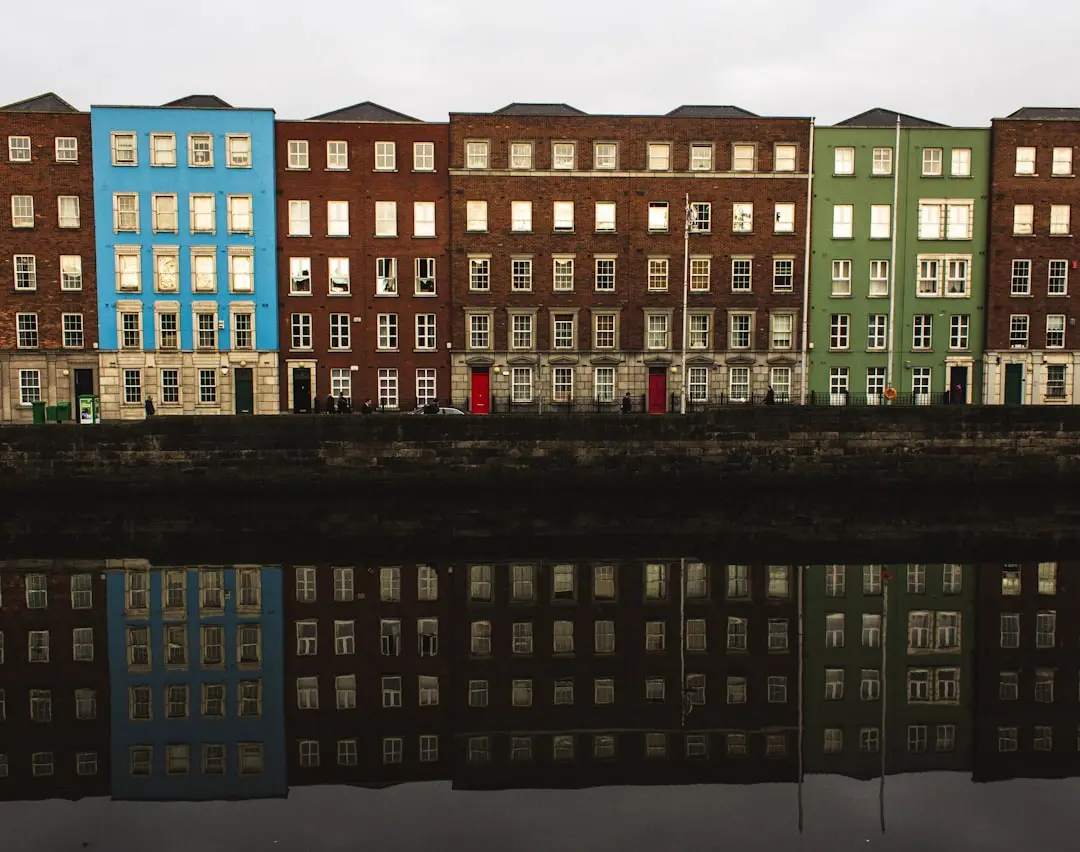
Dublin Travel Costs in 2026: Backpacker, Nomad & Luxury Budgets
Ireland · EuropeDublin is a lively city of pub culture, literary heritage, and friendly locals. This August, enjoy warm evenings and the buzz of culture as the Dublin Fringe Festival approaches in September. Expect high prices but a memorable time.
Is Dublin Expensive? The Short Answer
Dublin is mid-range. At $50 a day for backpacker travel it costs more than 64% of the 399 destinations we track.
- A short trip of 4 nights costs about $200, excluding flights.
- A week costs about $350; a month is about $1500.
- That works out at $50 a day for backpacker travel.
Living in Dublin: Backpacker Guide for 2026
August in Dublin means long golden evenings, street performers packing Grafton Street, and the buzz of a city in full summer swing—but it also means peak prices and crowds. The good news: plenty of the city's magic is free, from the wildlife at Phoenix Park to the hipster markets in Smithfield. If you're traveling on a shoestring, this isn't Thailand, but with a dash of planning you can keep daily costs near €50 (≈$50) a day without skipping the craic.
For budget sleep, skip the tourist-trap Temple Bar and head for hostels in Phibsborough or the Liberties. The Generator Hostel on the north side offers a lively backpacker vibe and dorms from €25 a night, while the Abbey Court Hostel on Bachelor's Walk sits right on the Liffey and undercuts it by a few euros. Street eats? Grab a spice bag from a Chinese takeaway, hunt down the legendary Dr. Ali's in Stoneybatter, or hit the English Market for a €5 cheese toastie. Free activities are the real treasure: walk the coast at Howth, tour the National Museum, or catch a trad session in a pub with no cover charge.
The best budget-friendly neighborhoods are Phibsborough (hip, local, with the hipster haunts of Stoneybatter close by) and the Liberties (historical, gritty-chic, and a short walk to the castle). Dorm beds there run €25-35, a meal from a food truck €8-10, and a pint (yes, you need one) €6-7. To save, buy groceries at Lidl or Aldi, take the bus rather than Luas for short hops, and always ask for student or youth discounts—many attractions offer 20% off. (Note: the Dublin Fringe Festival kicks off in September, so if you're here late August, you might snag early-bird tickets.)
If you're absolutely penny-pinching, consider staying in a hostel outside the city center, like in Drumcondra, and commuting. The city is compact and walkable; you could easily do a day without spending on transport. Dublin's spirit is in the pubs, the craic, and the friendliness of the locals—budget doesn't have to mean boring. Just be smart, and you'll have the time of your life.
How Much Does Dublin Cost? Daily and Monthly Budget
| Travel style | Day | Week | Month |
|---|---|---|---|
🎒BackpackerHostels, street food, public transport | $50/day | $350/week | $1500/month |
💻Digital NomadPrivate room, cafes, coworking spaces | $100/day | $700/week | $3000/month |
✨LuxuryHotels, fine dining, private transfers | $350/day | $2450/week | $10500/month |
Internet Speed in Dublin for Remote Work
Where to Stay in Dublin: Best Neighborhoods
Temple Bar
$$The cultural heart of Dublin's nightlife, packed with pubs, street performers, and colorful buildings. It's vibrant and fun but touristy and expensive, especially for drinks.
Phibsborough
$A local, green suburb north of the Liffey, known for street art, independent cafés, and a friendly community. It offers some of the most affordable hostel and rental options in the city.
Ranelagh
$$A leafy, upscale neighborhood bordering the Grand Canal, full of cafés, boutiques, and beautiful Victorian homes. It's a favorite for professionals and families seeking safety and tranquility.
Weather in Dublin This Week
Pros and Cons of Living in Dublin
Pros
- +Rich literary and cultural history
- +Friendly and welcoming locals
- +Excellent pub culture and live music
- +Numerous festivals throughout the year
- +Generally safe city with low violent crime
- +Good public transport network (bus, Luas, DART)
- +Beautiful Georgian architecture and parks
- +Easy access to coastal towns like Howth and Dún Laoghaire
- +English-speaking, convenient for many travelers
- +Strong tech hub with networking opportunities
Cons
- -High cost of living, especially accommodation
- -Frequent rain and unpredictable weather
- -Tourist crowds in summer can overwhelm city center
- -Some areas have poor quality rental housing
- -Expensive tourist traps, especially in Temple Bar
- -Public transport can be unreliable during peak hours
- -Limited late-night transport options
- -Rising prices in pubs and restaurants
- -Traffic congestion in the city
- -Shortages of affordable housing impact long-term stays
Dublin FAQ: What Travelers Ask Most
Yes, Dublin is generally safe with a low violent crime rate. However, like any busy European city, you should be mindful of pickpocketing in crowded spots like Temple Bar and on public transport. Stick to well-lit streets after dark and take normal precautions.
The summer months (June–August) offer the warmest weather and vibrant festivals, but they're also the busiest and priciest. For a balance, consider May or September, when the weather is pleasant and the Dublin Fringe Festival brings cultural energy. Avoid December for higher costs, unless you enjoy Christmas markets.
Ireland is not in the Schengen zone, so visa rules are separate. Many nationalities—including EU/EEA, US, Canada, UK, Australia, and New Zealand—can stay visa-free for 90 days. Other nationalities should check Ireland's official immigration website for requirements.
Dublin has excellent broadband coverage with typical speeds of 80-100 Mbps down and 30-50 Mbps up in most areas. Many cafés and coworking spaces offer free WiFi, and fiber connections are common in business districts. For remote work, you'll have no trouble.
Yes, Dublin is a growing remote work hub with a strong tech ecosystem. While there's no dedicated digital nomad visa, you can stay visa-free for 90 days and explore longer options like the Stamp 0 if you have sufficient income. Coworking spaces are abundant, and the community is welcoming.
Dublin has a decent backpacker vibe with hostels scattered across the city, especially in Phibsborough and the Liberties. The social atmosphere is great—pubs are the heart of it. However, costs are higher than elsewhere in Europe, so many backpackers use Dublin as a starting point for Ireland road trips.
Daily budgets vary: a budget backpacker might spend $50/day on a hostel bed, cheap eats, and walking; a digital nomad could spend $100/day including a short-term apartment and coworking; a luxury traveler can easily drop $350+/day on a 5-star hotel and fine dining. Prepare for higher prices in the city center.
Cities Near Dublin
The closest destinations across the border, with distance and daily cost
Best Places to Visit in Europe
Top-scoring destinations in the same part of the world.
Quick Facts
- Global Rank
- #274 of 399
- Region
- Europe
- Timezone
- Dublin
- Weather
- 9.8°C · Overcast
- Backpacker
- $50/day
- Digital Nomad
- $100/day
- Luxury
- $350/day
- Monthly (backpacker)
- $1500
- Download
- 80 Mbps
- Upload
- 30 Mbps
Score by Travel Style
Do You Need a Visa for Dublin?
Visa-free for many nationalities (EU, US, Canada, UK, Australia, NZ) for up to 90 days. Others should check Irish immigration requirements.
Is Dublin Safe?
Dublin is generally safe for tourists, with low violent crime. Watch out for pickpocketing in busy areas like Temple Bar and on public transport at night.