
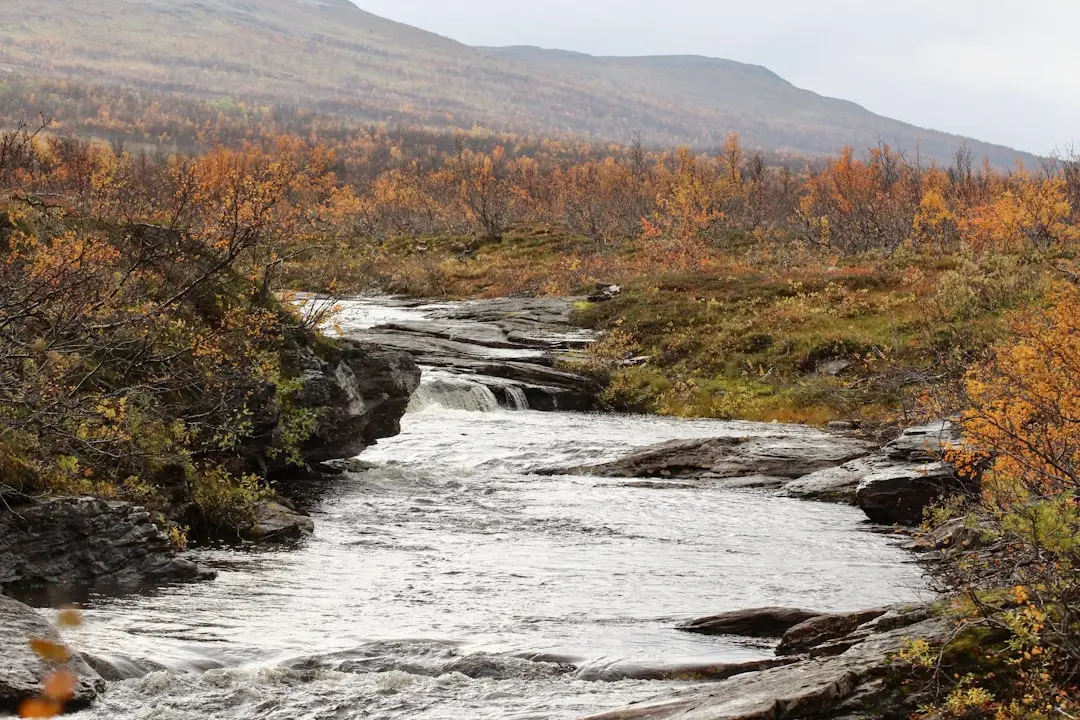
Finnmark Travel Costs in 2026: Backpacker, Nomad & Luxury Budgets
Norway · EuropeNorway's wild northernmost county is a land of fjords, tundra, and Sami heritage. In August, the midnight sun is waning but skies buzz with the first Northern Lights of the season, while the Nordkapp Marathon and Sami festivals add cultural color. Expect world-class hiking, remote villages, and some of Europe's highest prices.
Is Finnmark Expensive? The Short Answer
Yes — Finnmark is expensive. At $70 a day for backpacker travel it costs more than 87% of the 399 destinations we track.
- A short trip of 4 nights costs about $280, excluding flights.
- A week costs about $490; a month is about $2100.
- That works out at $70 a day for backpacker travel.
Living in Finnmark: Backpacker Guide for 2026
Finnmark is the last place you'd call a budget destination, and that's exactly why it attracts adventurous souls willing to trade comfort for wild Arctic beauty. In late August the sun still lingers until nearly sunset, the tundra glows orange, and the first aurora flickers on clear nights. Because prices are brutal — think Norway's capital times two — this is a trip for travelers who prioritize experiences over comfort, and the payoff is enormous: silent fjords, vast plateaus, and Sami camps where you can learn to lasso reindeer.
Hostel beds in Alta, Hammerfest, and Kirkenes typically cost NOK 500–600 ($50–60) per night, so book well ahead. Skip restaurants entirely: the local supermarket (REMA 1000 or Kiwi) becomes your best friend, and a hot meal means a packet of pasta with canned fish or a ready-made lapin (stew) warmed on a camping stove. Free activities are everywhere — hike to the top of Alta Canyon, visit the UNESCO-listed rock carvings at Hjemmeluft for a small fee, or simply watch the sea from the North Cape plateau without spending a krone.
For budget stays, target Alta's town center and Kirkenes near the Barents coast. Alta has the most services and the best hitching and bus connections, while Kirkenes offers a gritty post-Soviet vibe and the chance to sleep at the tiny Barents Hostel. Honningsvåg, the base for North Cape, is expensive and limited, so consider day-tripping in from Alta on the express bus.
Plan on $70–$80 per day even if you camp and cook. Save by buying a student/ISIC card, carpooling via Finnmark's local Facebook groups, and hiking the marked trails with a tent — wild camping is legal almost everywhere. Money-saving tip: buy everything at grocery stores, not tourist shops, and remember that the region's real treasures — the silence, the light, the reindeer herds — are free. This is backpacking, Arctic-style: tough, pricey, deeply unforgettable.
How Much Does Finnmark Cost? Daily and Monthly Budget
| Travel style | Day | Week | Month |
|---|---|---|---|
🎒BackpackerHostels, street food, public transport | $70/day | $490/week | $2100/month |
💻Digital NomadPrivate room, cafes, coworking spaces | $110/day | $770/week | $3300/month |
✨LuxuryHotels, fine dining, private transfers | $280/day | $1960/week | $8400/month |
Internet Speed in Finnmark for Remote Work
Where to Stay in Finnmark: Best Neighborhoods
Alta (Town Center)
$$Finnmark's largest town sits on the Alta River, with a lively waterfront, the UNESCO-listed Alta Museum, and the easiest access to transport and services. Expect high prices, plenty of hotels and eateries, and a quiet but welcoming Arctic atmosphere.
Honningsvåg (North Cape Base)
$$A compact fishing village on Magerøya island, famous as the departure point for the North Cape. It's touristy in summer but retains a gritty harbor charm, with dramatic cliffs, a few cafés, and excellent sea views.
Kirkenes (Border Town)
$On the Barents coast near the Russian border, Kirkenes is a melting pot of Norwegian, Russian, and Sami influences. It's a bit more affordable than Alta, with quirky cafés, a war museum, and excellent king crab safaris.
Hammerfest (Northernmost Town)
$$The world's northernmost city, hammered into a harsh but beautiful landscape. It has a small-town Arctic feel, a striking church, and views across the fjord from the Meridian Column.
Weather in Finnmark This Week
Pros and Cons of Living in Finnmark
Pros
- +Unspoiled Arctic wilderness and dramatic fjords
- +Stunning Midnight Sun in summer, aurora in late August
- +Rich Sami culture and reindeer herding
- +Very low crime rate and safe for travelers
- +Wild camping is legal and free
- +Few tourists outside the main summer rush
- +Excellent coastal wildlife: puffins, whales, eagles
- +World-class king crab and fresh seafood
- +Unique border-town culture at Kirkenes
- +Quiet, digital-detox environment
Cons
- -Extremely high cost of living and dining
- -Very limited hostel and budget accommodation
- -Remote location; long, expensive travel connections
- -Poor internet in rural areas
- -Harsh, unpredictable weather even in summer
- -Short tourist season; many facilities closed in winter
- -Limited nightlife and cultural events
- -Food basics can be scarce outside towns
- -No dedicated digital nomad community
- -Transportation infrequent and costly
Finnmark FAQ: What Travelers Ask Most
Yes, extremely safe with very low crime, even in remote areas. The biggest hazards are weather and wilderness: always check wind and ice forecasts, tell someone your route, and carry supplies when hiking.
For midnight sun and hiking, June–August is ideal, though August brings the first northern lights. For aurora, September–March is best, but winter is dark and cold. Avoid April and May mud season. Festivals like the Nordkapp Marathon in August and Sami Easter celebrations in Kautokeino add cultural flavor.
Finnmark is part of Norway, so Schengen rules apply. Most travelers from the US, UK, EU, Canada, Australia, and New Zealand can visit visa-free for up to 90 days. Check Norway's immigration website for the latest rules before you go.
In main towns like Alta, Hammerfest, Kirkenes, and Honningsvåg, fiber and 4G/5G are reliable, reaching 25–80 Mbps download. On the coast and tundra, coverage disappears. Bring a portable hotspot and download offline maps for remote work.
In limited ways. There's no digital nomad visa, but the 90-day Schengen entry is sufficient for most remote workers. Coworking is sparse, so libraries and cafés are your best bets. The lack of community and off-grid internet makes it a great place for focused independent work.
Very thin — hostels are few and far between, and prices rival Oslo. You'll meet other travelers at Alta and North Cape, but there's no party hostel culture. Backpacking here is about nature, camping, and quiet adventure, not socializing.
Expect $70–$90 per day as a budget backpacker using hostels and camping, $100–$150 per day as a nomad or mid-range traveler, and $250–$500 per day for luxury. Food and transport are the largest costs; cooking and wild camping can keep you closer to the lower end.
Cities Near Finnmark
The closest destinations across the border, with distance and daily cost
Best Places to Visit in the Arctic and Far North
Top-scoring destinations in the same part of the world.
Quick Facts
- Global Rank
- #376 of 399
- Rank in Norway
- #8 of 14
- Region
- Europe
- Timezone
- Oslo
- Weather
- 6.4°C · Mist
- Backpacker
- $70/day
- Digital Nomad
- $110/day
- Luxury
- $280/day
- Monthly (backpacker)
- $2100
- Download
- 25 Mbps
- Upload
- 8 Mbps
Score by Travel Style
Do You Need a Visa for Finnmark?
Norway is part of the Schengen Area, so most visitors (US, UK, EU, Canada, Australia, NZ, etc.) can enter visa-free for up to 90 days with a valid passport. For longer stays you'll need a residence permit. Always carry proof of funds.
Is Finnmark Safe?
Finnmark is one of the world's safest regions, with very low crime. Main risks are weather and remote roads; always check avalanche and ferry conditions, and drive with winter tires outside summer.