
Lofoten Islands Travel Costs in 2026: Backpacker, Nomad & Luxury Budgets
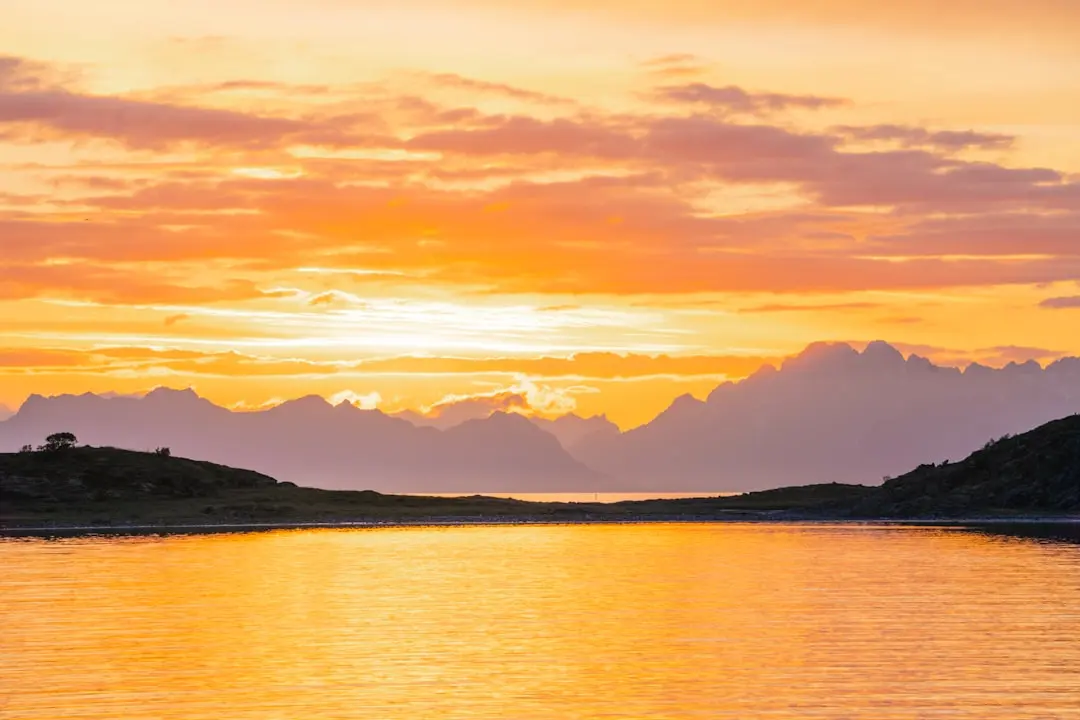
Norway · EuropeLofoten in late August offers post-midnight-sun northern lights, the Lofoten International Chamber Music Festival, and jaw-dropping fjord scenery. It's wildly expensive—backpackers need $80/day, nomads $120, luxury travelers $450—but the raw Arctic beauty is unmatched. Come for the hiking, stay for the otherworldly light.
Is Lofoten Islands Expensive? The Short Answer
Yes — Lofoten Islands is expensive. At $80 a day for backpacker travel it costs more than 94% of the 399 destinations we track.
- A short trip of 4 nights costs about $320, excluding flights.
- A week costs about $560; a month is about $2400.
- That works out at $80 a day for backpacker travel.
Living in Lofoten Islands: Backpacker Guide for 2026
Lofoten is a tough cookie for backpackers — this is Norway, so even a hostel bed and groceries will drain your wallet. But if you can stomach the price tag, you're rewarded with the most breathtaking scenery in Europe: sheer granite peaks, fjord water so blue it looks fake, and fishing villages that seem untouched by time. In late August, the midnight sun has just bid farewell and the first northern lights start flickering, while the Lofoten International Chamber Music Festival fills Svolvær with music.
Dorm beds are scarce and pricey: the Lofoten Rorbuhostel in Stamsund (around $50 a night) or the Guesthouse at Kalle in Kabelvåg are your cheapest bets. You'll want a supermarket haul from REMA 1000 or Kiwi — buy oats, eggs, and fish — and cook every meal. Street food is nearly nonexistent; instead, treat yourself to a fish burger from a food truck in Reine. The best free activities are also the best in Norway: hike Reinebringen for that postcard view, walk the beaches at Ramberg, and photograph the colorful rorbuer at Å.
Stay in Svolvær if you need transport links, or in Stamsund for the hostel scene, but prepare to rent a bike or hitch rides — local buses are infrequent and costly. A daily budget of $60-80 is realistic if you camp or split rorbu rental; add $30 for a rare restaurant night. Book early in summer, bring a tent to save a fortune, and know that Lofoten will push your budget limits while feeding your soul.
How Much Does Lofoten Islands Cost? Daily and Monthly Budget
| Travel style | Day | Week | Month |
|---|---|---|---|
🎒BackpackerHostels, street food, public transport | $80/day | $560/week | $2400/month |
💻Digital NomadPrivate room, cafes, coworking spaces | $120/day | $840/week | $3600/month |
✨LuxuryHotels, fine dining, private transfers | $450/day | $3150/week | $13500/month |
Internet Speed in Lofoten Islands for Remote Work
Where to Stay in Lofoten Islands: Best Neighborhoods
Svolvær
$The largest town, a working port with galleries, a low-key craft brewery, and a lively harbor. Everything is walkable, and it's the best jumping-off point for day trips — expect higher prices and summer bustle.
Kabelvåg
$Historic fishing village with a surprisingly rich art scene, old wharves, and the yellow wooden Kabelvåg Church. Quieter than Svolvær, but within a 5 km cycle, it's a favorite for longer stays.
Ramberg
$$The crown jewel of Flakstadøya island — a long Arctic white-sand beach backed by rugged peaks. Dreamy for sunsets, winter storms, and northern lights, though amenities are few and prices for beachfront cabins run high.
Weather in Lofoten Islands This Week
Pros and Cons of Living in Lofoten Islands
Pros
- +Unrivalled natural beauty — fjords, peaks, white-sand beaches
- +Northern lights season starts in late August
- +Extremely safe and peaceful
- +Excellent hiking for all levels (Reinebringen, Ryten)
- +Unique historic rorbu accommodation
- +Fresh seafood everywhere
- +World-famous midnight sun (until July) and polar night (winter)
- +Small-community, slow-life atmosphere
- +Great for wildlife spotting (eagles, otters, whales)
- +Photographer's paradise in every season
Cons
- -Very expensive — budget travelers feel the pain
- -Limited public transport; a car is nearly essential
- -Remote — far from major airports (nearest: Evenes, Svolvær, Leknes)
- -Rain and wind can hit anytime, even in August
- -Short summer season, with accommodation booked out
- -Lack of nightlife and late-night dining
- -Limited hostel choices and sparse backpacker scene
- -Strong winter weather makes some roads impassable
- -High grocery and alcohol costs (you can't buy wine in supermarkets)
- -Internet may drop during storms in remote villages
Lofoten Islands FAQ: What Travelers Ask Most
Absolutely — Lofoten is one of the safest places on earth. Violent crime is almost unheard of. The main risks are natural: dramatic weather, slippery mountains, and unsteady boat docks. Always check the weather forecast and let someone know your hiking route.
August is superb — the weather is still mild, waterfalls are thundering, and the first northern lights may appear. June and July bring the midnight sun but more crowds. For northern lights, come from late August to April; for winter storms and cozy rorbu fires, December to March.
Lofoten is part of Norway, which is in the Schengen Area. Most visitors from the US, UK, Canada, Australia, Japan and South Korea get 90 visa-free days in a 180-day period. Other nationalities need a Schengen visa, which you apply for at a Norwegian embassy.
Fiber and 4G networks cover most villages, with 50-100 Mbps download speeds common in Svolvær, Kabelvåg, and Leknes. Remote cabins may be slower or drop out during storms. Overall, it's decent for video calls, but you should download big files early.
Yes, but it's a niche life. There are no big coworking hubs, but you'll find fast wifi and quiet surroundings in towns like Svolvær. Long-term apartment stays can be pricey, yet the slow pace and natural beauty outweigh the connectivity hiccups.
Small but dedicated. There are only a few hostels, the most popular being Lofoten Rorbuhostel in Stamsund and the guesthouse in Kabelvåg. Backpackers here tend to be independent, outdoorsy, and happy to cook and camp to save money.
As a backpacker, expect $70-90/day if you cook and stay in hostels or camp. A digital nomad should budget $100-150/day for rent, food, and occasional coworking. Luxury travellers wanting a fine rorbu and dining easily spend $400-600/day.
Cities Near Lofoten Islands
The closest destinations across the border, with distance and daily cost
Best Places to Visit in the Arctic and Far North
Top-scoring destinations in the same part of the world.
Quick Facts
- Global Rank
- #375 of 399
- Rank in Norway
- #7 of 14
- Region
- Europe
- Timezone
- Oslo
- Weather
- 10.4°C · Light rain shower
- Backpacker
- $80/day
- Digital Nomad
- $120/day
- Luxury
- $450/day
- Monthly (backpacker)
- $2400
- Download
- 100 Mbps
- Upload
- 50 Mbps
Score by Travel Style
Do You Need a Visa for Lofoten Islands?
Norway is part of the Schengen Area. Most non-EU nationalities (US, UK, Canada, Australia, Japan) enjoy 90 visa-free days within any 180-day period. Always check your passport validity and the latest entry rules.
Is Lofoten Islands Safe?
Lofoten is exceptionally safe — one of the lowest crime rates in the world. Wildlife (eagles, moose) and demanding hikes are the only real risks. Use common sense with weather and trail conditions.