
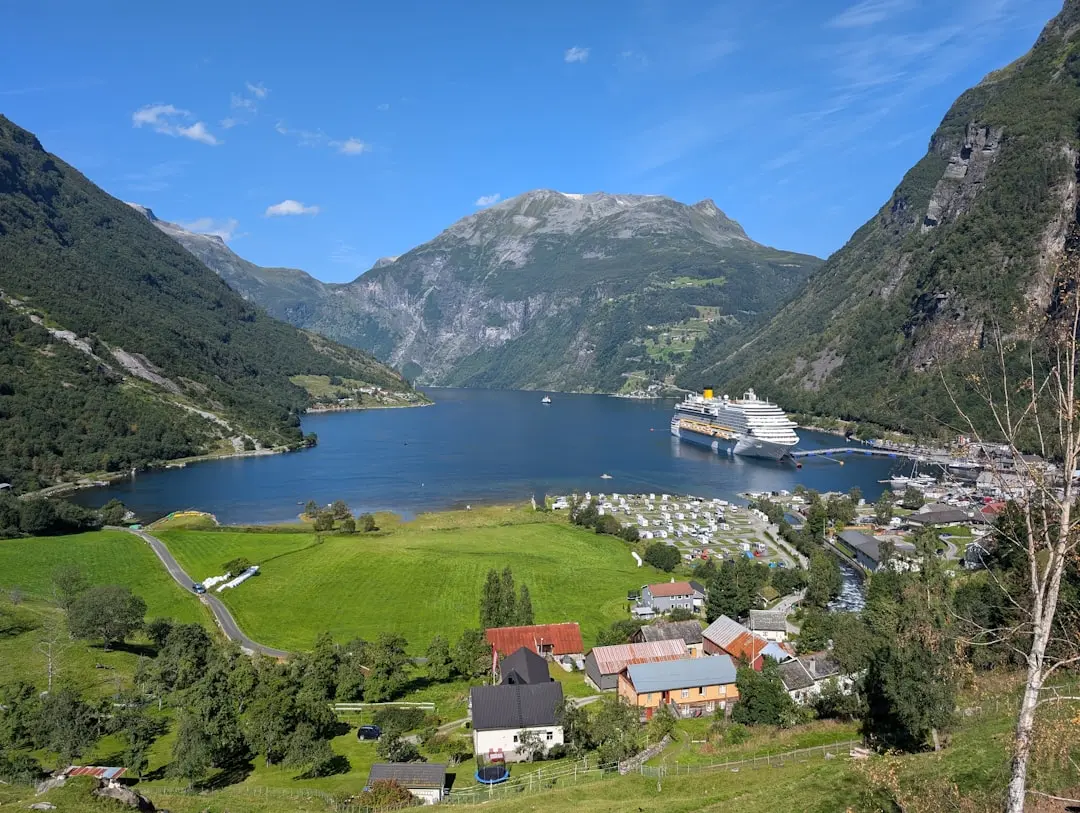
Geirangerfjord Travel Costs in 2026: Backpacker, Nomad & Luxury Budgets
Norway · EuropeGeirangerfjord is a UNESCO gem whose jaw-dropping cliffs, waterfalls, and turquoise water draw travelers from everywhere. In August, peak cruise season brings festival-like energy to this tiny village. Expect steep Norwegian prices, but also hiking trails and fjord cruises worth every bit of the extra cash.
Is Geirangerfjord Expensive? The Short Answer
Yes — Geirangerfjord is expensive. At $80 a day for backpacker travel it costs more than 94% of the 399 destinations we track.
- A short trip of 4 nights costs about $320, excluding flights.
- A week costs about $560; a month is about $2400.
- That works out at $80 a day for backpacker travel.
Living in Geirangerfjord: Backpacker Guide for 2026
Geirangerfjord is a backpacker's dream trapped in Norway's sky-high prices. In August, the village overflows with cruise crowds and gushing waterfalls, but peel away from the port and the fjord depths feel gloriously wild. You need a flexible wallet and a fearless spirit, but the reward is scenery money can't truly buy. Unlike cheaper backpacker hubs, there's no party district and no cheap beer; the currency here is pure, untamed nature. Plan to spend more than you expect, and you'll still come out grinning.
For cheap sleep, check Geirangerfjorden Feriesenter for a $45 dorm bed or pitch a tent at Vesterås Gard campsite for a small fee. Your stomach is best served by self-catering: stock up at Coop Prix mid-village, make open-faced sandwiches, and snack on $8 gas-station waffles with brown cheese. Free thrills include hiking behind Storseterfossen, peering over Flydalsjuvet cliff, and hopping on the ferry between Geiranger and Hellesylt, which is the best value for seeing fjord scenery without paying for a cruise. Bring a refillable bottle—Norwegian tap water is some of the purest in the world—and pack your own trail mix.
Budget-hunters should base in Stranda rather than Geiranger village—same fjord views, half the room rates, and a supermarket that won't make you wince. Hellesylt works too: a quieter, cheaper base for the fjord ferry. Staying a few kilometers away makes early-morning hikes blissfully uncrowded, and you'll also find more friendly locals who are used to backpackers passing through. Look for weekend discounts at small guesthouses and always ask if there's a backpacker rate or a room with kitchen access.
Daily costs: $45–55 for a bed/camping, $20 for groceries, $5–10 for local transport = roughly $70–80. To trim, cook oatmeal breakfasts, fill a reusable bottle with glacial tap water, and treat yourself to one splurge dinner at a fjord farm if you must. Geiranger will test your budget, but the waterfall hikes and midnight light are 100% free. If you time your trip for the very end of August, lodging prices drop sharply with the first signs of autumn, and you can still catch warm, sunny weather.
How Much Does Geirangerfjord Cost? Daily and Monthly Budget
| Travel style | Day | Week | Month |
|---|---|---|---|
🎒BackpackerHostels, street food, public transport | $80/day | $560/week | $2400/month |
💻Digital NomadPrivate room, cafes, coworking spaces | $90/day | $630/week | $2700/month |
✨LuxuryHotels, fine dining, private transfers | $500/day | $3500/week | $15000/month |
Internet Speed in Geirangerfjord for Remote Work
Where to Stay in Geirangerfjord: Best Neighborhoods
Geiranger Village
$$The heart of the tourism district with the ferry dock, grocery store, and most hotels. It's expensive and busy in August but steps from the fjord and bus routes.
Stranda
$A more-workaday town about 40 minutes away by ferry and bus, offering cheaper lodging and a true local feel. It acts as a quiet base for exploring Geirangerfjord.
Hellesylt
$Picturesque village at the southern end of the fjord with guesthouses and a dramatic waterfall. Perfect for travelers who want peace and are willing to catch the ferry to Geiranger.
Weather in Geirangerfjord This Week
Pros and Cons of Living in Geirangerfjord
Pros
- +World-class fjord scenery
- +Incredible waterfall hikes
- +UNESCO World Heritage site
- +Very safe and clean
- +Great for extreme photography
- +Unique midnight sun in summer
- +Charming, small village atmosphere
- +Good ecotourism options
- +High-end hotels with views
- +Plenty of free nature activities
Cons
- -Extremely expensive for all budgets
- -Limited nightlife and dining options
- -Very seasonal; many services close off-season
- -Small village is crowded with cruise tourists
- -Remote – far from airports
- -Unreliable internet in some areas
- -No dedicated coworking spaces
- -Limited affordable or long-term housing
- -Inconsistent weather (rain)
- -Few budget accommodations
Geirangerfjord FAQ: What Travelers Ask Most
Yes, Geirangerfjord is exceptionally safe, with very little crime. The main risks are natural—steep trails and sudden weather shifts. Stick to marked routes, bring proper gear, and heed local warnings about rockfalls or storms.
June through August offers the warmest weather and most ferry departures, with the famous Briksdal glacier and midnight sun near the summer solstice. September is quieter, cheaper, and still beautiful, though some services close. Winter is magical but access to the fjord can be blocked by snow.
Norway is a Schengen member. Most tourists from Europe, North America, Australia, New Zealand, and several Asian countries can enter without a visa for up to 90 days. If you're not sure, contact the Norwegian embassy in your home country.
In the village of Geiranger, fixed broadband can deliver around 80 Mbps down and 35 up, which is workable for calls and streaming. Mobile coverage can be patchy deep inside the fjord and on mountain roads. Some cabins and hotels offer Wi-Fi, but speeds vary.
Technically, yes, but it's not a digital nomad hub. There is no coworking space, and accommodation is expensive. For remote work, get a cabin with fiber and a backup data plan. You'll also want to work around cruise ship hours if you use café Wi-Fi.
It's tiny and seasonal. You'll meet fellow backpackers at hostel-style rooms, camping fields, and on the Hellesylt–Geiranger ferry. There's no party scene, but the shared hardship of Norway's prices creates an instant bond. Budget travelers often band together to split cabin rentals.
Expect around $80/day for a backpacker (dorm/camping plus groceries), $90-$120/day for a nomad (apartment plus food), and $450-$550/day for luxury travelers (fine hotel, gourmet meals, activities). Flights to the region add extra. Costs are highest in July and August.
Cities Near Geirangerfjord
The closest destinations across the border, with distance and daily cost
Best Places to Visit in the Arctic and Far North
Top-scoring destinations in the same part of the world.
Quick Facts
- Global Rank
- #377 of 399
- Rank in Norway
- #9 of 14
- Region
- Europe
- Timezone
- Oslo
- Weather
- 1.8°C · Patchy rain nearby
- Backpacker
- $80/day
- Digital Nomad
- $90/day
- Luxury
- $500/day
- Monthly (backpacker)
- $2400
- Download
- 80 Mbps
- Upload
- 35 Mbps
Score by Travel Style
Do You Need a Visa for Geirangerfjord?
Norway is part of the Schengen Area. Most US, UK, EU, Canadian, Australian, and many other passports allow visa-free stays up to 90 days within any 180-day period. Longer stays or work require a permit. Check the Norwegian Directorate of Immigration.
Is Geirangerfjord Safe?
Very safe. Crime is almost nonexistent, but weather and steep roads can pose hazards. Always check avalanche and weather advisories, especially on mountain passes.