
Tianjin Travel Costs in 2026: Backpacker, Nomad & Luxury Budgets
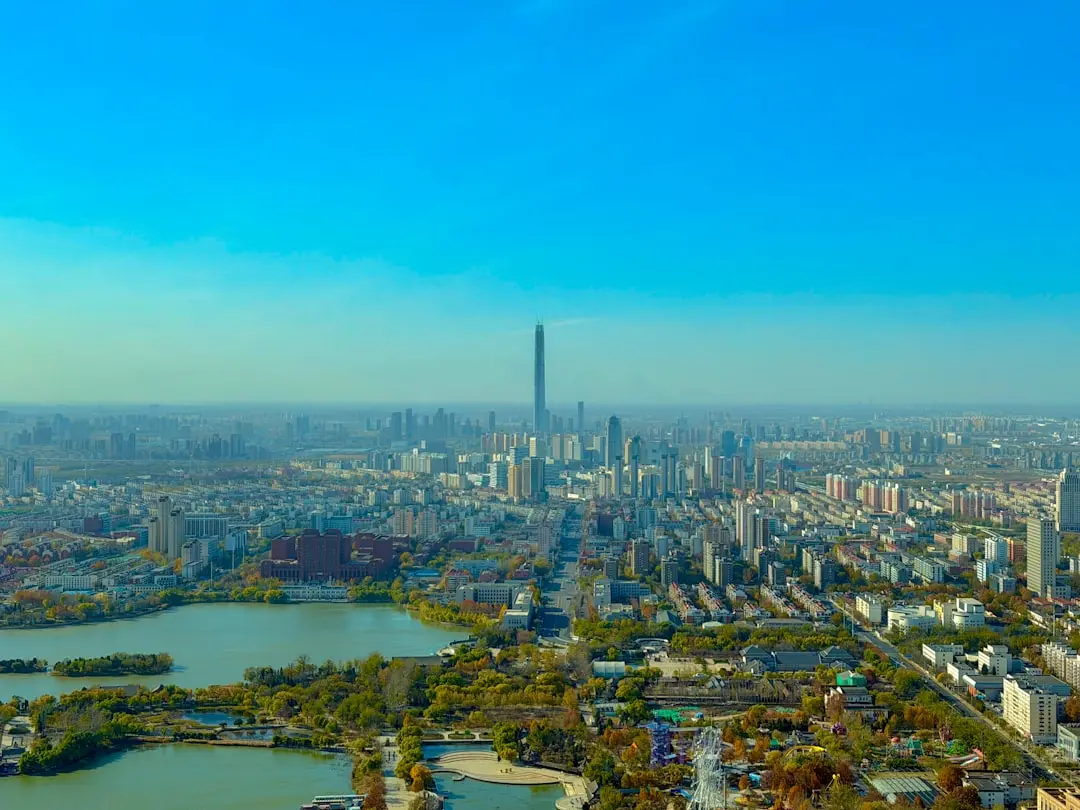
China · AsiaTianjin is a low-cost gateway to China with fascinating European colonial architecture, cheap street food, and easy access to Beijing. Summer brings the Tianjin International Beer Festival and night markets. A safe, underrated city for travelers who want authenticity without crowds.
Is Tianjin Expensive? The Short Answer
No — Tianjin is cheap. At $25 a day for backpacker travel it undercuts 83% of the 399 destinations we track.
- A short trip of 4 nights costs about $100, excluding flights.
- A week costs about $175; a month is about $750.
- That works out at $25 a day for backpacker travel.
Living in Tianjin: Backpacker Guide for 2026
Tianjin might not be Southeast Asia, but this industrial port city is a fascinating budget gateway to northern China. It's far cheaper than Beijing (only 30 minutes away by high-speed rail), and its European concessions, bustling food streets, and laid-back local vibe make it a great base for budget travelers who want to see China without the crowds. Summer in Tianjin is hot and humid, so pack light, but the city's famous night markets come alive with grilled skewers and cold beers.
Hostels are sparse but cheap—dorms run $8-12 a night, with a few social hostels near the train station and in the former Italian concession. Street food is the real highlight: try jianbing (savory crepes) for breakfast, stroll the Nanshi Food Street for seafood and candied hawthorns, and don't miss a glass of local Haihe beer with cumin lamb skewers. Free activities abound: wander the Five Great Avenues with its colonial architecture, watch locals practice tai chi in Xianglu Island park, or bike along the Haihe River at sunset.
For backpackers, the Heping District is the best base—it's central, walkable, and packed with cheap noodle shops and street vendors. Nankai District, home to the old city and Water Park, offers quirky hostels and budget dumpling joints. If you're arriving late or leaving early, stay near Tianjin Railway Station in Hebei District for convenience. Avoid the Binhai New Area unless you have business—it's across town and expensive to reach.
A typical backpacker day here costs around $25: $10 dorm, $6 food, $3 metro, and $6 for a museum or beer budget. To save more, cook in hostel kitchens, buy snacks at convenience stores, and use shared bikes instead of taxis. Since Tianjin is a transit hub, you can easily hop over to Beijing for a day trip—but you'll be glad to return to this cheaper, more relaxed city after fighting the capital's crowds.
How Much Does Tianjin Cost? Daily and Monthly Budget
| Travel style | Day | Week | Month |
|---|---|---|---|
🎒BackpackerHostels, street food, public transport | $25/day | $175/week | $750/month |
💻Digital NomadPrivate room, cafes, coworking spaces | $60/day | $420/week | $1800/month |
✨LuxuryHotels, fine dining, private transfers | $180/day | $1260/week | $5400/month |
Internet Speed in Tianjin for Remote Work
Where to Stay in Tianjin: Best Neighborhoods
Heping District
$$The central heart of Tianjin, packed with colonial architecture, shopping streets, and the Five Great Avenues. It's the priciest area in the city but still affordable by international standards, ideal for first-time visitors and luxury travelers.
Nankai District
$Home to Nankai University and the old city, this area has a youthful, vibrant atmosphere. It's the best spot for budget travelers and backpackers, with cheap hostels, local street food, and green spaces like Water Park.
Hexi District
$A quieter, residential district with many parks and upscale apartment complexes. It's popular among expats and long-term nomads seeking a comfortable, less touristy base, with easy access to the financial district.
Hebei District
$Located near Tianjin Railway Station, this district is transitional but convenient for travelers catching high-speed trains. It has a handful of budget hotels and a few interesting historical sites, plus great river views.
Weather in Tianjin This Week
Pros and Cons of Living in Tianjin
Pros
- +Very affordable cost of living
- +Excellent high-speed rail links to Beijing (30 minutes)
- +Rich colonial history with European architecture
- +Safe and uncrowded compared to other Chinese cities
- +Delicious and cheap street food
- +Good public transportation (metro, buses)
- +High-quality internet infrastructure
- +Lower air pollution than Beijing
- +Friendly locals and slower pace
- +Unique cultural festivals like the International Beer Festival
Cons
- -Not a typical tourist destination; fewer attractions than Beijing
- -Limited backpacker and nomad community
- -Air quality can be poor in winter
- -Language barrier; very little English spoken
- -Extreme summer heat and humidity
- -No international airport hub; you'll need to connect via Beijing
- -Limited nightlife compared to Beijing or Shanghai
- -Some areas are industrial and unattractive
- -Visa requirements for China are strict
- -Winter can be freezing and windy
Tianjin FAQ: What Travelers Ask Most
Yes, Tianjin is very safe for tourists, with low crime rates. Violent crime is rare, but petty theft like pickpocketing can occur in crowded markets and tourist spots. Exercise normal precautions, especially at night, but overall you can feel secure.
The best times are spring (April-May) and autumn (September-October) when temperatures are mild and pleasant. Summer is hot and humid, but the Tianjin International Beer Festival in August adds a fun vibe. Winter is cold and dry, but a good time for budget travel as prices drop.
Most nationalities need a visa to enter China, which must be obtained from a Chinese embassy before arrival. There is a 144-hour visa-free transit policy for citizens of many countries if you're passing through to a third country. Check with the Chinese embassy for your specific situation.
Internet speeds in Tianjin are excellent, with average download speeds around 100 Mbps and fast uploads. Fiber and 5G connectivity are common, and reliable in most areas. This makes it a viable destination for remote work and digital nomads.
Yes, you can work remotely in Tianjin thanks to good internet and reasonable costs. However, the digital nomad community is small, and there are few coworking spaces compared to hubs like Bangkok or Lisbon. You'll need to be self-sufficient, but it's a workable option.
The backpacker scene in Tianjin is quite limited, with only a handful of hostels and a less developed social atmosphere. You'll likely meet more Chinese travelers than international backpackers. Still, it's affordable and authentic, and you can easily meet people in hostels and night markets.
Costs are low for a Chinese city: backpackers can get by on about $25/day, nomads on $60/day, and luxury travelers on around $180/day. A budget stay includes hostel dorm and street food, while luxury includes a five-star hotel and fine dining.
Cities Near Tianjin
The closest destinations across the border, with distance and daily cost
Best Places to Visit in Asia
Top-scoring destinations in the same part of the world.
Quick Facts
- Global Rank
- #138 of 399
- Rank in China
- #12 of 13
- Region
- Asia
- Timezone
- Shanghai
- Weather
- 20.4°C · Sunny
- Backpacker
- $25/day
- Digital Nomad
- $60/day
- Luxury
- $180/day
- Monthly (backpacker)
- $750
- Download
- 100 Mbps
- Upload
- 50 Mbps
Score by Travel Style
Do You Need a Visa for Tianjin?
China requires a visa for most nationalities, though visa-free transit policies allow stays of 24-144 hours in certain cities. Check with the Chinese embassy for your specific eligibility.
Is Tianjin Safe?
Tianjin is very safe for travelers, with low violent crime and helpful locals. Pickpocketing can occur in busy markets, so keep an eye on your belongings.